Choosing Your Automatic Door
Choosing the right automatic door starts with how people use the entrance. Consider the available space and daily foot traffic before comparing designs.
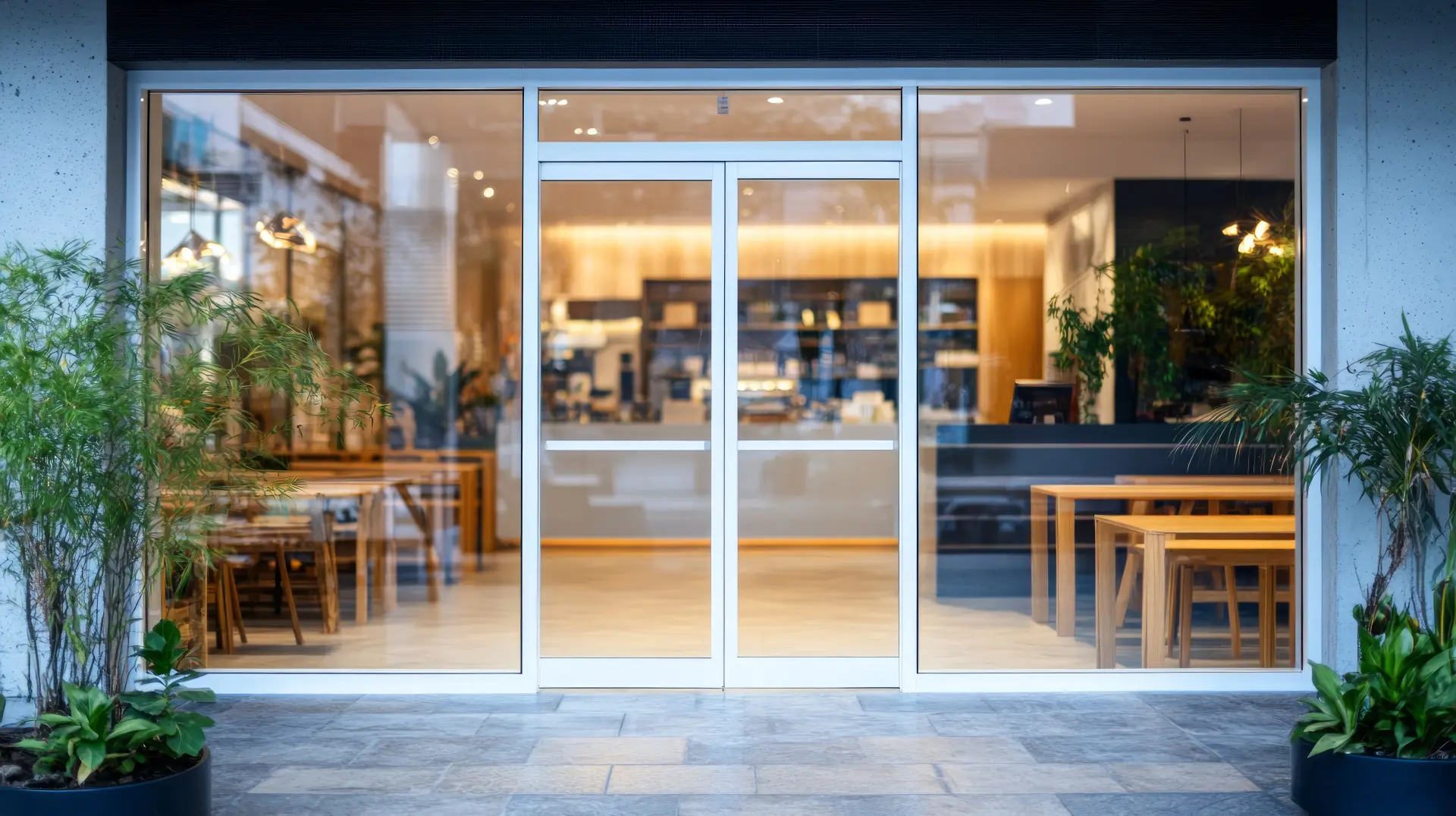
Automatic doors provide convenient access in shopping centres, offices and healthcare facilities. The right door system depends on the building, its users and their access requirements.
A suitable automatic door lets visitors enter without pushing a heavy leaf. This supports accessibility for people with disabilities, children and anyone carrying shopping bags. The opening should be easy to understand, and the door leaves must provide enough clear space for people to pass comfortably. Safety features should match the expected traffic and the premises.
An activation device detects an approach and opens the door. Presence and safety sensors monitor the opening to help prevent closing on someone. Installation must include testing of these controls.
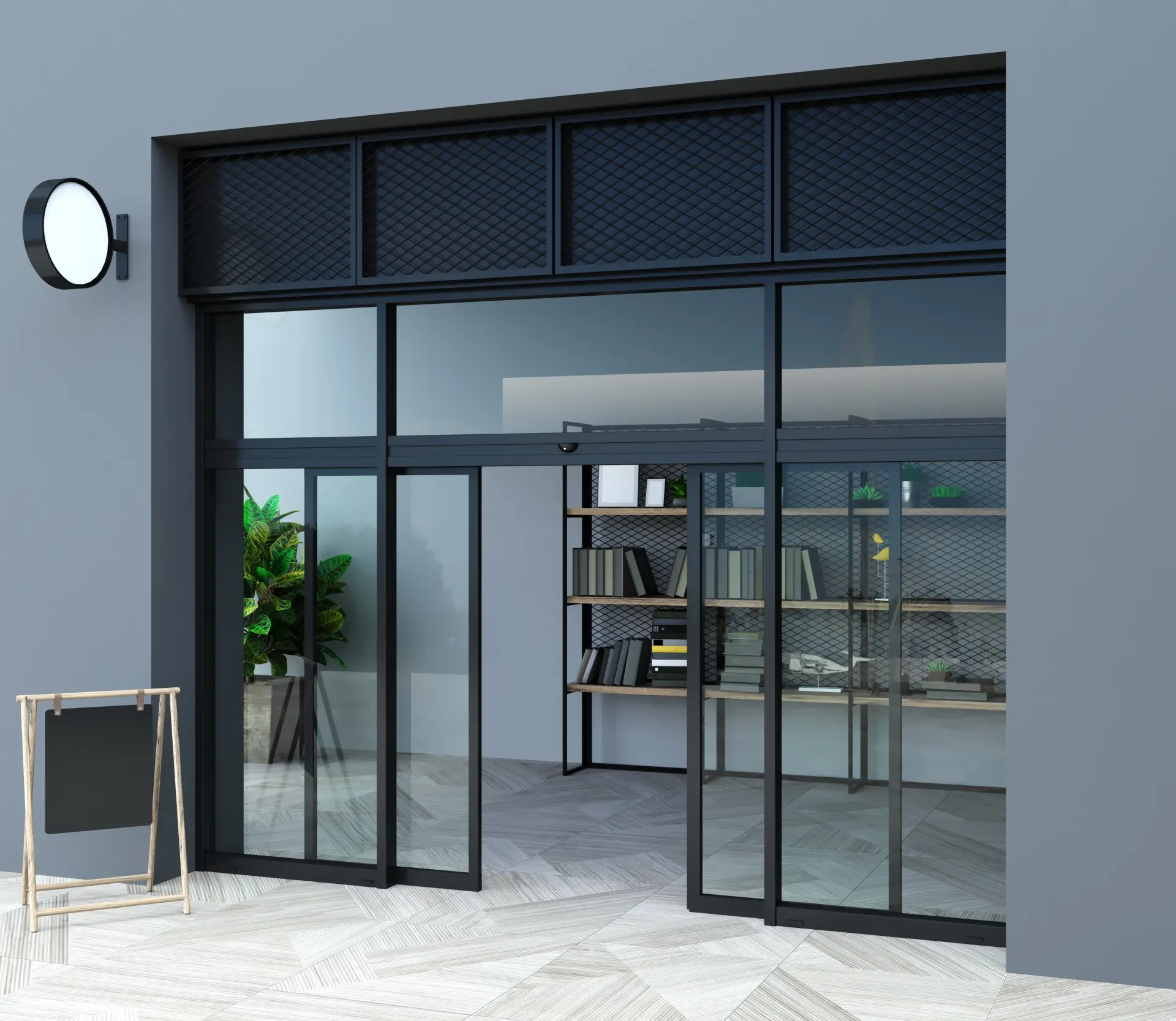
The main types of automatic doors include sliding doors, automatic swing doors and automatic revolving doors. Sliding suits entrances with high footfall; swing doors may fit existing doorways; revolving doors manage a different traffic pattern. Curved sliding doors and folding doors offer options where the layout calls for them. A site survey helps identify the right automatic door system, operator and clearance.
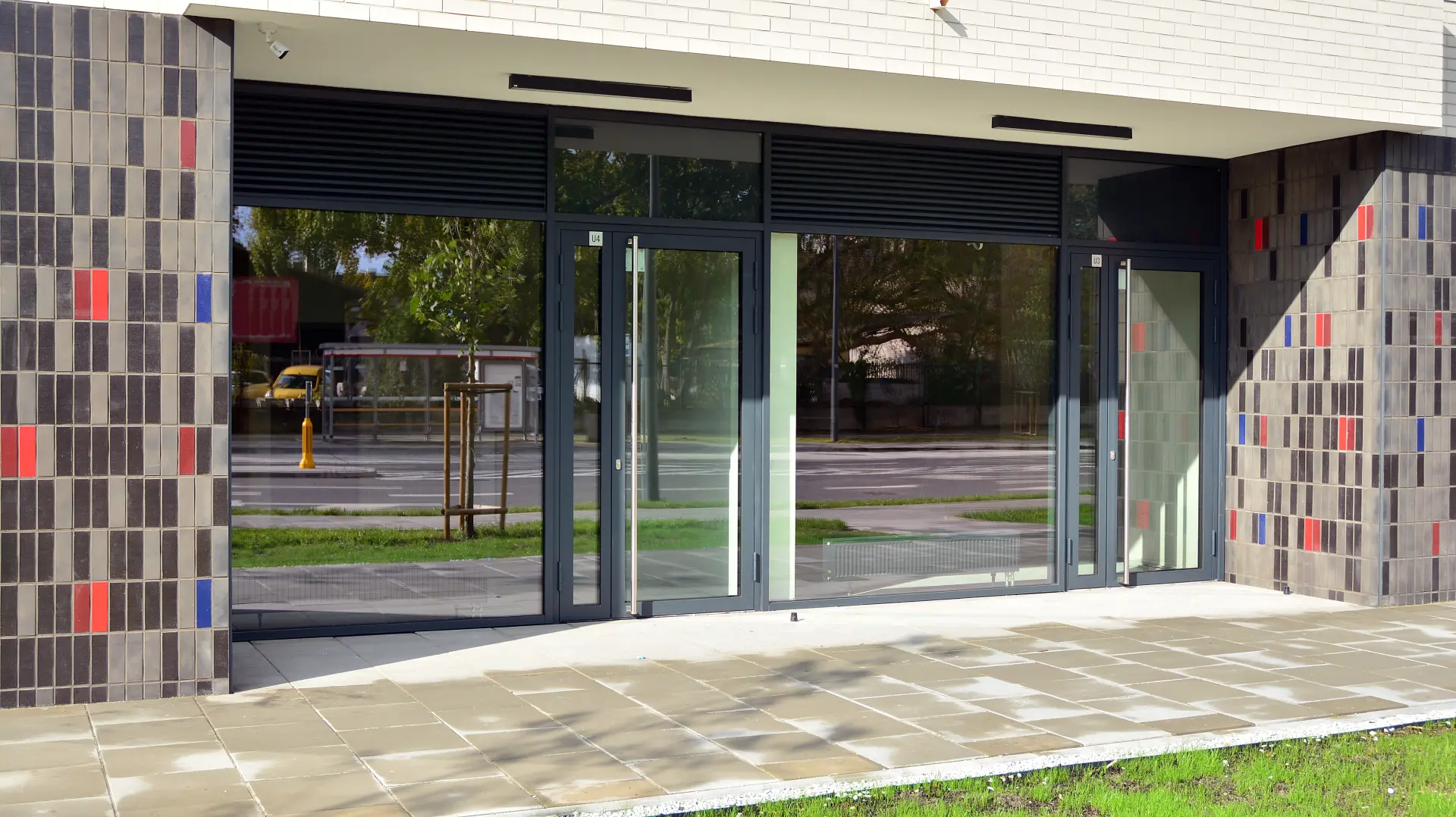
Material choice affects appearance, durability and performance. Aluminium frames can create clean sightlines, while glass offers visibility and light; other materials may suit the building's design. Ask the installer about safety, secure access, energy efficiency and the maintenance the equipment will require. A clear specification should describe the door frame, sensors, mechanism and any access controls before work begins.
Swing door units
Swing door operators are a practical choice for businesses that want to improve an existing entrance rather than replace the whole door system. They can often be fitted to existing single-leaf doors, helping to keep costs and installation work down.
They are well suited to entrances with moderate levels of foot traffic and can usually be installed with limited disruption.
These systems are often used in care homes and educational institutions, including universities.
Curved sliding doors
Curved sliding doors combine practical access with a distinctive design. They offer many of the same benefits as standard sliding doors but follow a curved layout, giving buildings more flexibility when a straight entrance system is not suitable.
Their appearance can also add to the overall design of an entrance, making them a strong option for buildings where presentation matters.
The Tate Gallery is one example of how this type of door can support both practical and design needs. Curved sliding doors can work especially well in hotels, galleries and premium retail spaces that want a modern, distinctive entrance.
Folding doors
Folding doors are useful where space is limited. Sliding doors need room beside the opening for the door leaf, while swing doors need clear space to open. Folding doors work mainly within the doorway itself, making them suitable for narrow corridors and compact entrances.
They can also help connect indoor and outdoor areas without using too much space. This can be useful in places such as cafes and restaurants with patio or outdoor seating.
Frequently asked questions
Answers to common questions about choosing an automatic entrance.
Automatic sliding doors are often suited to high traffic areas such as retail entrances, supermarkets and airports because they can provide wide, clear openings. Automatic swing doors may work in corridors or where a traditional hinged leaf already fits. Automatic revolving doors can manage high volume movement at some main entrances. The right solution depends on expected footfall, available space and how users enter and exit.
Different automatic door types move in different ways. Sliding doors move sideways and leave room clear on either side. Swing doors need space for the leaf to travel, while revolving doors create a rotating route that people must navigate. Double leaf doors can widen an opening, and a single leaf may suit a smaller one. Consider accessibility, traffic flow and the risk of a person meeting a moving leaf before deciding. Automatic sliding doors may be the right choice when that sideways path is available.
Activation sensors or push buttons start the opening cycle; safety sensors and presence sensors monitor the area near moving door leaves. Automatic door systems include the operator; the automatic door operator and controls should respond so people can pass safely. A competent supplier should explain the applicable building regulations and product compliance requirements for the particular installation, then test and document safe operation. Regular inspections remain essential after the door is installed.
An energy efficient door can help reduce heat transfer by opening only when needed and closing after people have passed. However, settings that make doors close quickly must never compromise safety or accessibility. Glazing, seals, the doorway design and how often the door opens all affect energy bills. In a busy building, an installer can review the full entrance rather than promise savings from one component.
In hospitals, healthcare facilities, hotels and restaurants, touch-free automated doors can reduce the need for people to handle a door. That offers convenience for patients, staff and visitors carrying equipment, and may help limit the spread of germs. It does not replace cleaning or infection control practices. The entrance should remain accessible to people with different levels of mobility.
Yes, when the door system is integrated with appropriate access controls and the building's security plan. The sensor that detects movement does not decide who may enter. Secure doors may need controlled entry, emergency exit arrangements and a clear manual operation procedure if power fails. Discuss those requirements early so the chosen door solutions protect access without creating an escape risk.
The answer depends on the door type, opening width and surrounding walls. A sliding leaf needs a path to move; swing doors need clearance in their arc; a revolving arrangement needs sufficient floor area. The installer should measure the site, check the frame and transom, and confirm that the result meets the access needs of the people who use the building.
Glass and aluminium are common in commercial entrances because they can provide a clean appearance and clear visibility. Other finishes, including textured or frosted glass, may suit privacy or a premium look. Design choices should align with the building's character, but aesthetics cannot replace the right safety features, durability and performance. Ask what can be customised within the supplier's specification.
Ask how frequently the equipment needs cleaning, testing and regular maintenance, and who will carry out inspections. A system that is difficult to service may cause avoidable downtime over its lifespan. Compare the initial cost with reliability, energy use and the expected daily operations. Keep training and contact details to hand so staff know how to respond if the door develops a fault. Automatic door systems should be reviewed against the needs of the premises over time.
If you require bespoke automatic door installations throughout Bedworth, Warwickshire or the surrounding areas then please call our helpful team today on 07774 608971 to discuss your requirements.