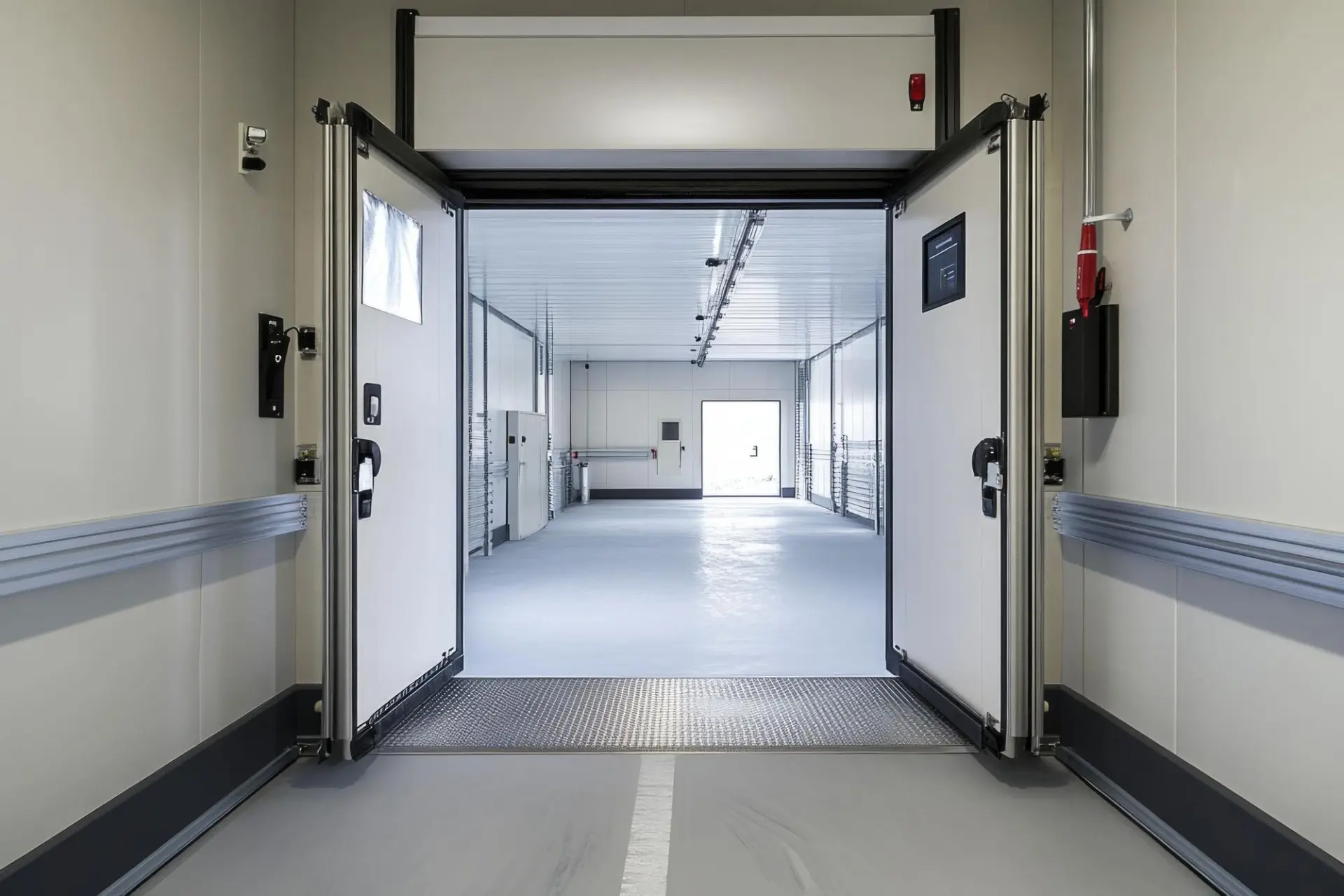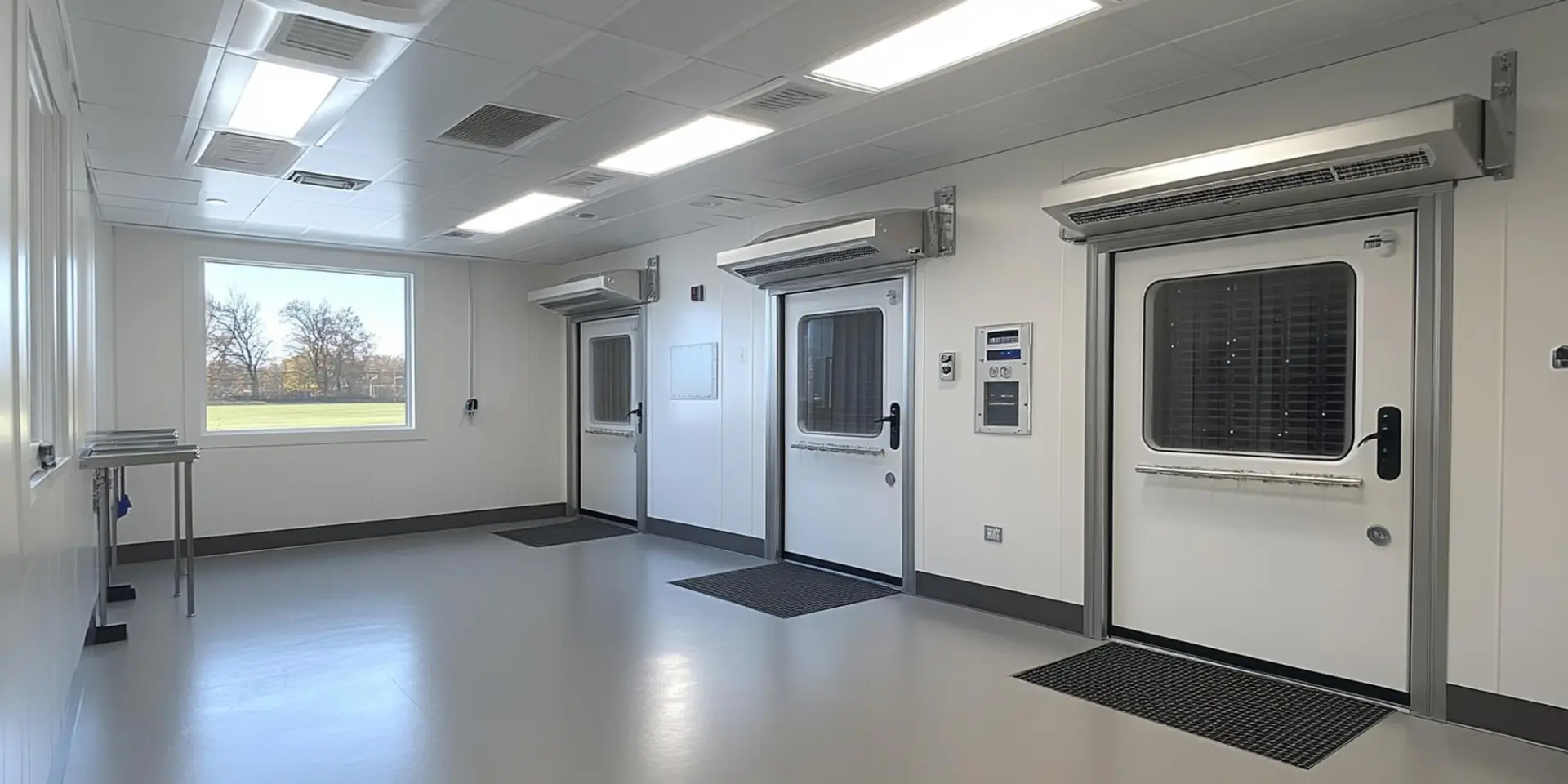
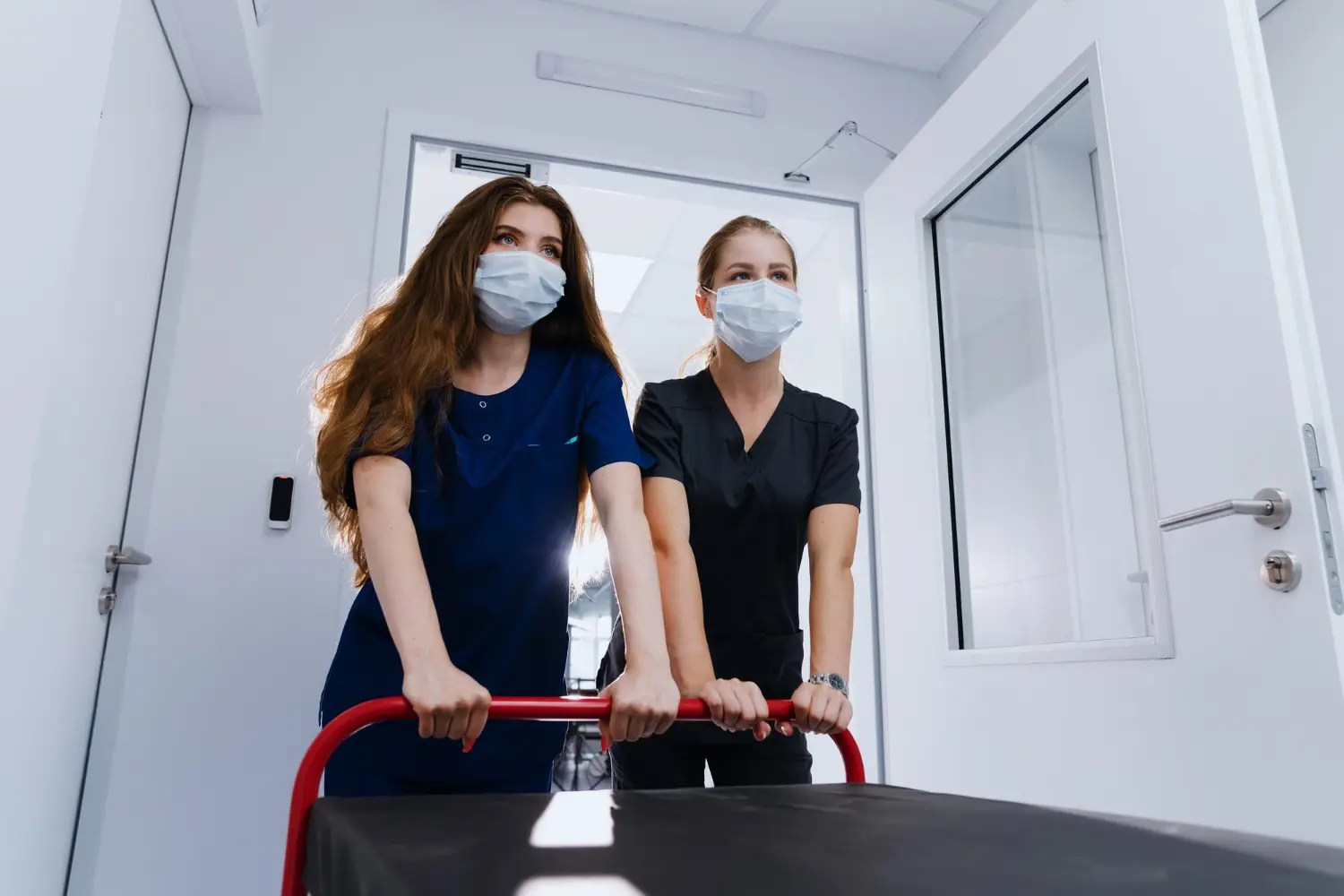
Discover expert advice on avoiding common mistakes in hygienic door installation to ensure durability, hygiene compliance, and smooth operation.
Why Correct Hygienic Door Installation Matters
Correct hygienic door installation is essential for maintaining clean and controlled environments. These doors are designed to support strict hygiene standards, so even small mistakes during installation can reduce their effectiveness.
A properly installed door helps prevent contamination, supports cleaning routines, and ensures the space meets required standards. If installation is poor, gaps, uneven surfaces, or faulty components can create areas where dirt and bacteria may build up.
This can lead to hygiene risks and may affect compliance with regulations. In environments such as healthcare or food production, this can have serious consequences.
Correct installation also ensures the door operates smoothly and lasts longer. Poor fitting can lead to wear and damage over time. By focusing on proper installation from the start, businesses can avoid problems and ensure hygienic doors perform as intended.
Choosing the Wrong Door for the Environment
Choosing the wrong hygienic door for a specific environment is a common mistake that can affect performance and safety. Different spaces have different requirements, and not all hygienic doors are suitable for every situation. For example, areas with high levels of moisture may require doors with specific finishes that resist water and prevent damage. In contrast, environments with strict contamination control may need doors with enhanced sealing and smooth surfaces.
If the wrong door is selected, it may not meet hygiene standards or perform effectively. This can lead to issues such as increased cleaning requirements, reduced durability, or difficulty maintaining a controlled environment.
It is also important to consider how the door will be used. High traffic areas may require more durable designs, while specialist spaces may need features such as automation.
By carefully assessing the needs of the environment before selecting a door, businesses can avoid these problems and ensure the installation supports both hygiene and long term performance.
Poor Planning Before Installation Begins
Poor planning before installation can lead to a range of problems. Without proper preparation, the process may be delayed or result in mistakes that affect performance.
Planning should include reviewing the space, confirming measurements, and understanding the requirements of the environment. Failure to plan can result in incorrect positioning or unsuitable materials being used.
It may also lead to issues with access or workflow within the space. Taking time to plan properly helps ensure the installation runs smoothly and meets hygiene standards.
Incorrect Measurements and Opening Preparation
Incorrect measurements and poor opening preparation are common issues that can affect the installation of hygienic doors. Accurate measurements are essential to ensure the door fits correctly within the space. Even small errors can lead to gaps, misalignment, or difficulty during installation.
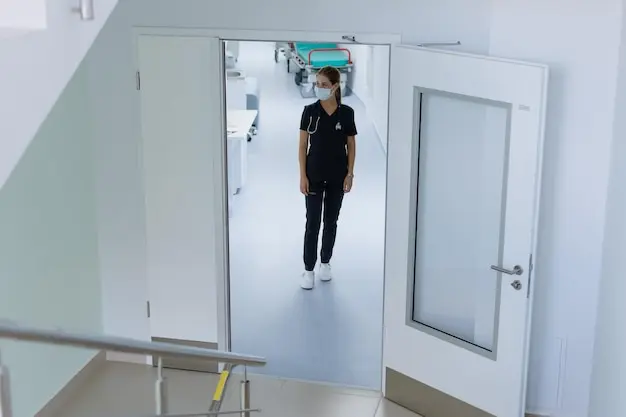
The opening must also be prepared properly before fitting begins. This includes ensuring that the structure is level, stable, and suitable for the door. Any uneven surfaces or structural issues can affect how the door operates and how well it seals.
If the opening is not prepared correctly, adjustments may be needed during installation. This can increase time, cost, and the risk of further errors. In some cases, it may prevent the door from performing as intended.
Proper measurement and preparation help ensure a secure fit and smooth operation. By checking all dimensions carefully and preparing the space correctly, installers can avoid these common mistakes and achieve a more reliable and effective result.
Using Unsuitable Materials or Finishes
Using unsuitable materials or finishes can reduce the effectiveness of hygienic doors. Materials must be chosen carefully to support cleaning and prevent contamination.
Some materials may not resist moisture or cleaning chemicals, which can lead to damage over time. Finishes should be smooth and easy to clean, with no areas where dirt can collect.
Choosing the wrong materials can increase maintenance and reduce durability. Selecting suitable materials ensures the door supports hygiene and long term use.
Failing to Create a Proper Seal
Failing to create a proper seal is a major issue in hygienic door installation. A good seal is essential for preventing the movement of air, dust, and contaminants between spaces. Without it, the door cannot perform its intended function. Seals must be fitted correctly and aligned with the frame. If they are not positioned properly, gaps can form that allow unwanted airflow. This can reduce hygiene standards and affect controlled environments.
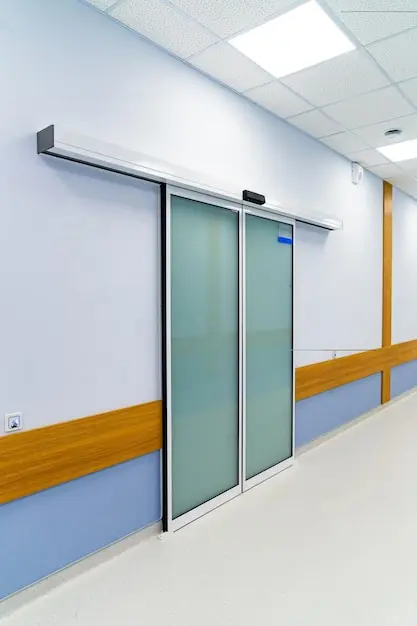
The quality of the sealing materials is also important. Poor quality seals may wear quickly or fail to provide a consistent barrier.
Regular checks during installation can help ensure they are fitted correctly. In some cases, the closing mechanism may also affect the seal.
If the door does not close fully, the seal will not be effective.
By focusing on proper sealing during installation, businesses can ensure the door provides reliable performance and supports a clean and controlled environment.
Gaps Around the Door Frame
Gaps around the door frame are a common issue that can affect hygiene. Even small gaps can allow air, dust, and contaminants to pass through.
These gaps are often caused by poor alignment or incorrect installation. They can also make cleaning more difficult, as dirt may collect in these areas.
Ensuring a tight fit helps prevent these problems. Proper installation and careful checking can eliminate gaps and improve performance.
Poor Attention to Surface Cleanliness
Poor attention to surface cleanliness during installation can affect the performance of hygienic doors. Surfaces must be kept clean to ensure that no contaminants are introduced during the fitting process. If dust, debris, or residues are left on surfaces, they can interfere with sealing and create areas where bacteria may build up. This can reduce the overall hygiene of the space.
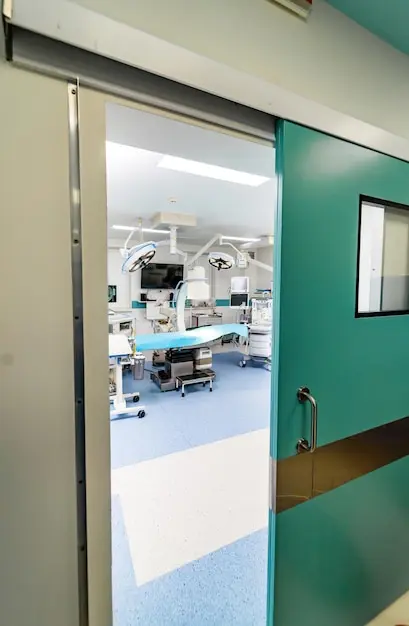
Clean surfaces are also important for proper bonding and finishing. Adhesives and seals may not work effectively if surfaces are not prepared correctly.
Installers should ensure that all areas are cleaned before and during installation. This includes the door, frame, and surrounding surfaces.
Maintaining cleanliness throughout the process helps ensure a better result. By paying close attention to surface conditions, installers can support hygiene standards and improve the long term performance of the door.
Incorrect Positioning of Door Components
Incorrect positioning of door components can affect both performance and safety. Each part must be placed accurately to ensure the door operates correctly.
Misaligned components can cause uneven movement or prevent the door from sealing properly. This can lead to wear and reduce the lifespan of the door.
Careful positioning is essential during installation. Ensuring all parts are aligned helps maintain smooth operation and proper function.
Overlooking Drainage and Moisture Control
Overlooking drainage and moisture control can create problems in hygienic environments. Areas with high moisture levels require careful planning to prevent water build up and damage. If drainage is not considered, water may collect around the door area. This can lead to hygiene issues and increase the risk of slipping hazards.
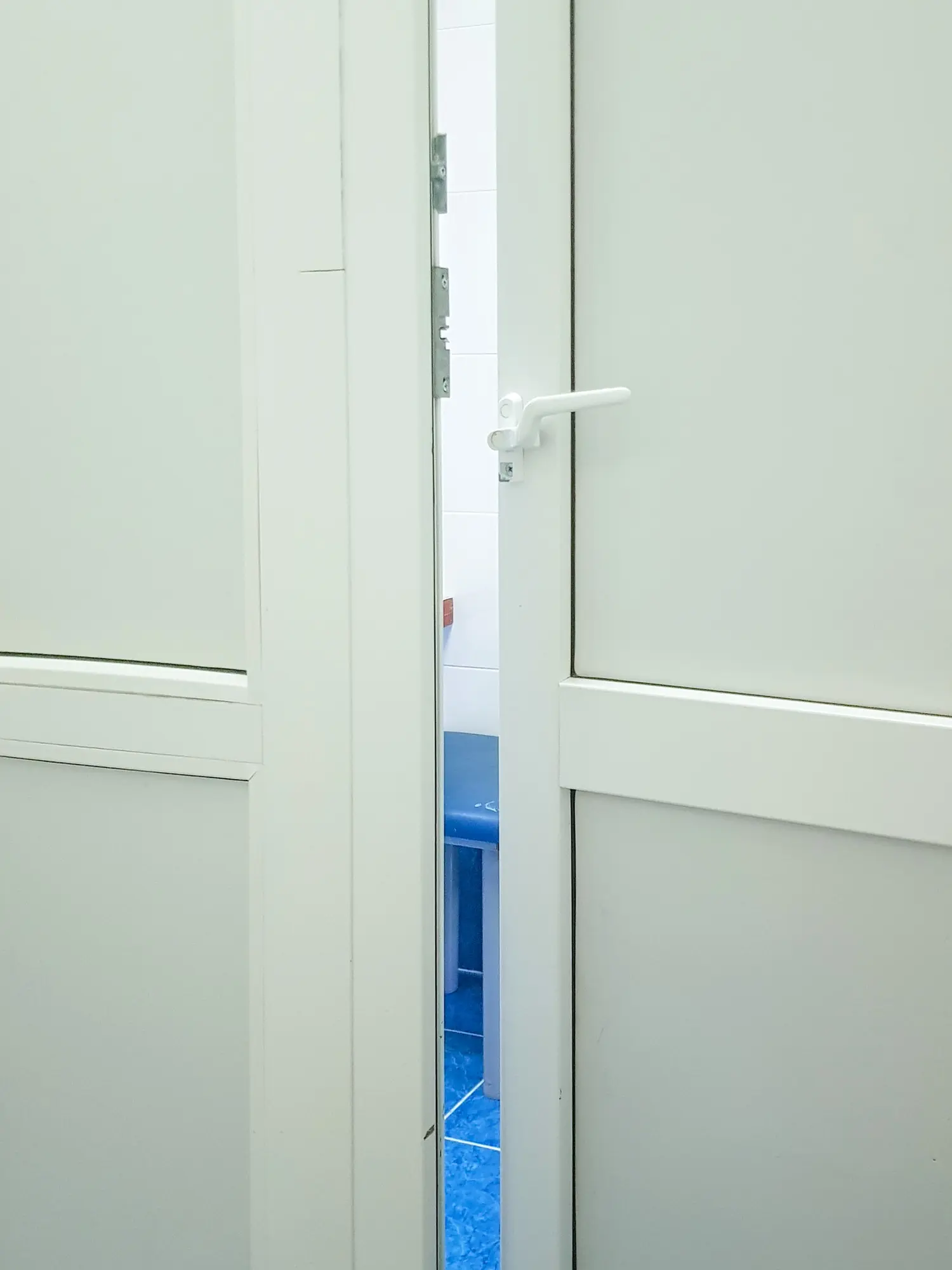
Moisture can also affect materials over time. Without proper control, it may cause damage or reduce the effectiveness of seals and finishes.
Proper design should include drainage systems that remove water efficiently. Materials should also be chosen to resist moisture and support cleaning processes.
By addressing drainage and moisture control during installation, businesses can reduce risks and maintain a cleaner and safer environment.
Ignoring Cleaning and Maintenance Needs
Ignoring cleaning and maintenance needs can affect the long term performance of hygienic doors.
Regular cleaning is essential to maintain hygiene standards. If maintenance is overlooked, components may wear or become damaged. This can reduce effectiveness and increase repair costs.
Planning for maintenance helps ensure the door remains in good condition. Regular care supports performance and hygiene over time.
Poor Workmanship During Fitting
Poor workmanship during fitting is a major cause of problems in hygienic door installation. If the work is not carried out carefully, it can affect alignment, sealing, and overall performance. Mistakes such as uneven fitting, loose fixings, or incorrect installation methods can lead to gaps or poor operation. These issues may not be obvious at first but can develop over time.
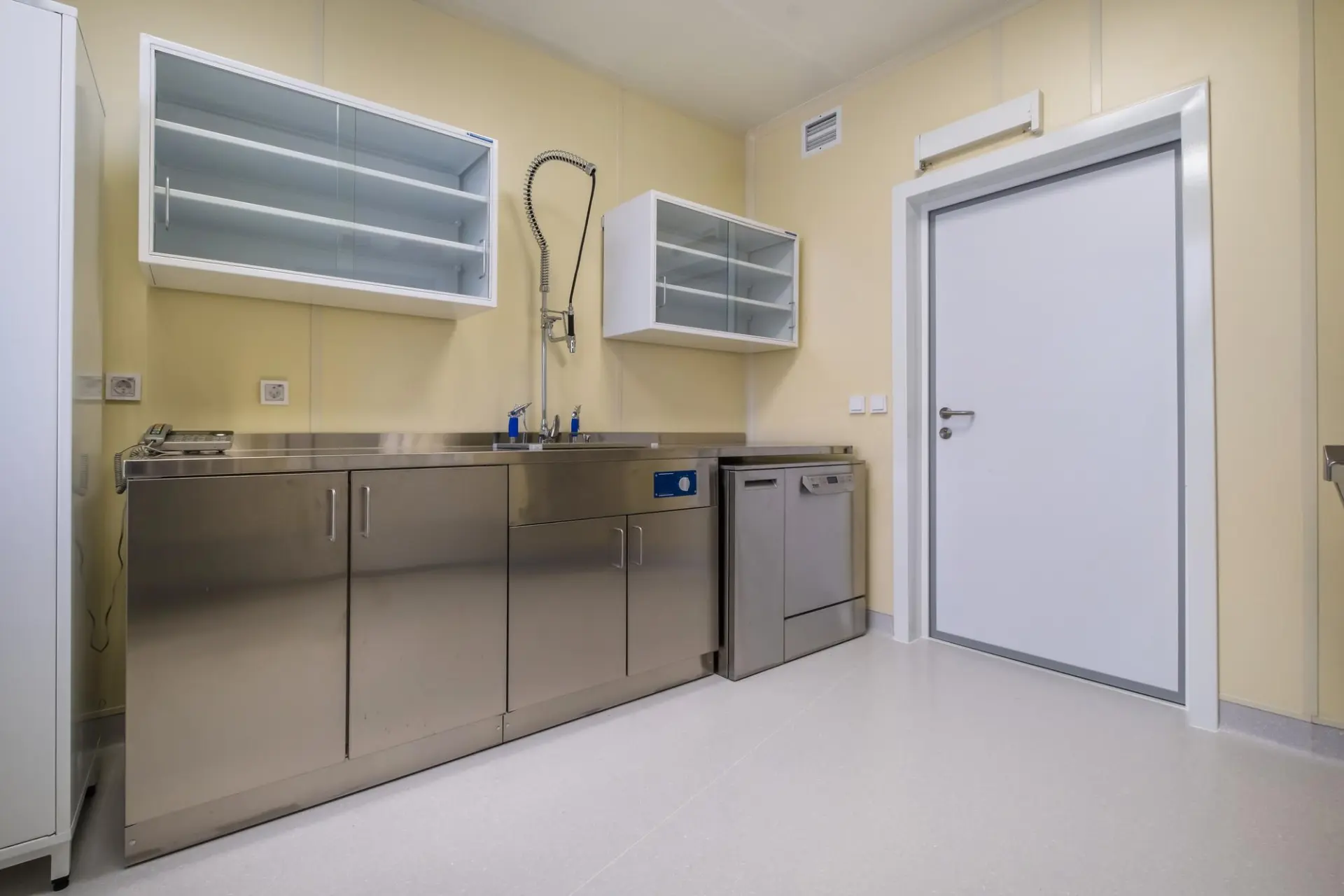
Poor workmanship can also reduce durability. Components may wear faster if they are not installed correctly. This can lead to higher maintenance costs and earlier replacement.
Attention to detail is essential during installation. Each stage should be completed carefully and checked before moving on.
By ensuring high standards of workmanship, installers can achieve a reliable result that supports hygiene and long term performance.
Failing to Test the Door After Installation
Failing to test the door after installation can leave problems undetected. Testing ensures the door operates correctly and meets requirements. The door should be checked for smooth movement and proper sealing. Any issues should be corrected before use. Testing also confirms that all components are working as intended. Skipping this step can lead to future problems. Proper testing helps ensure reliable performance and a successful installation.
Not Following Site Hygiene Requirements
Not following site hygiene requirements during installation can undermine the purpose of fitting a hygienic door in the first place. Many sites, especially in healthcare, food production, laboratories, and controlled manufacturing areas, have strict hygiene rules that must be followed at every stage of the work. These rules are there to protect the environment, the people using it, and the processes taking place inside it.
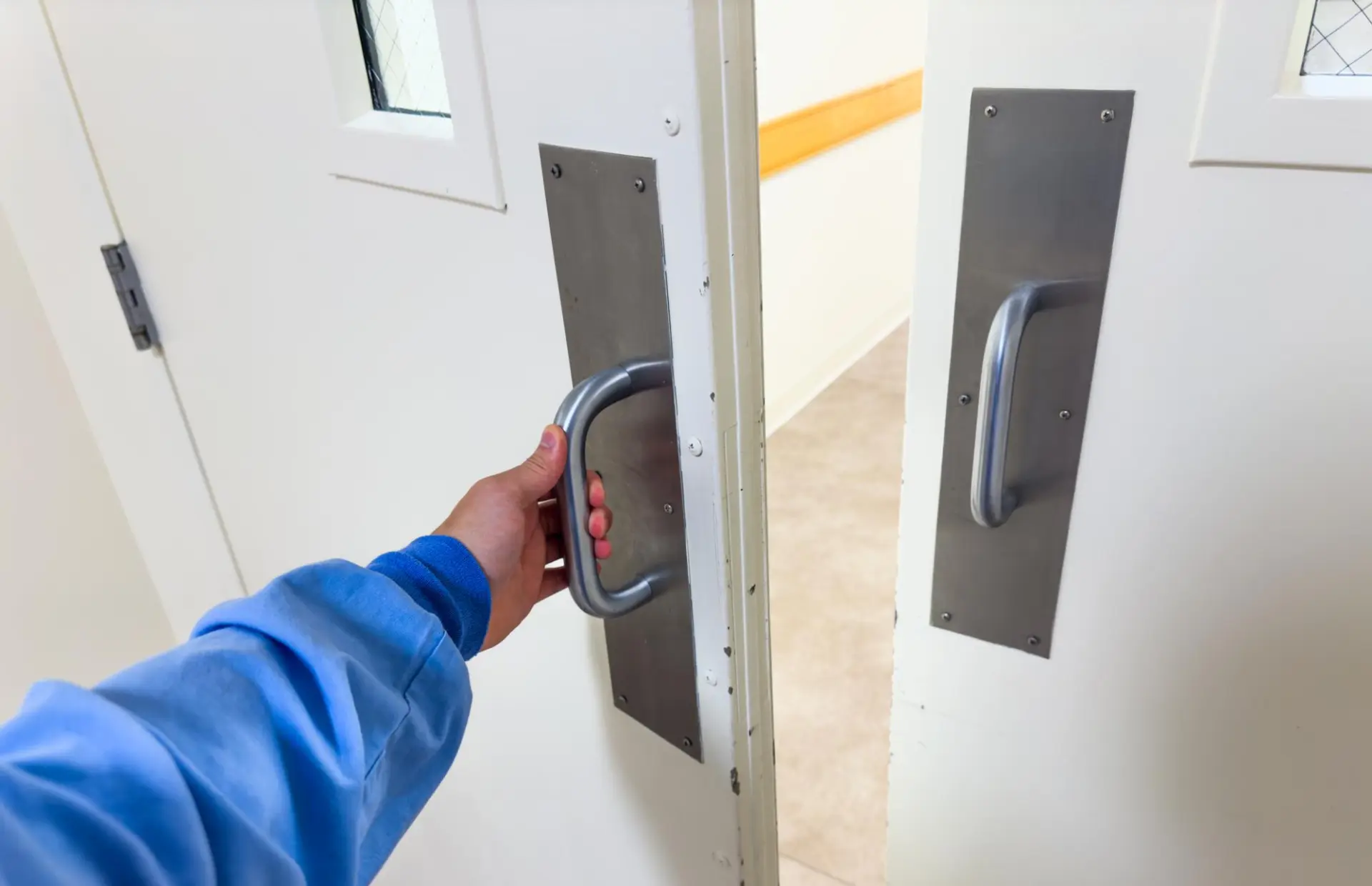
If installers ignore these requirements, they may introduce dust, debris, bacteria, or other contaminants into the area. This can affect cleanliness standards, disrupt operations, and create extra work for the site team after installation is complete. In some cases, it may even delay the use of the room.
Site hygiene requirements may include wearing the correct protective clothing, using clean tools, controlling waste, cleaning work areas regularly, and following access procedures. Installers may also need to coordinate their work to avoid disrupting sensitive activities nearby.
Paying close attention to site hygiene is just as important as fitting the door correctly. A well installed hygienic door can still create problems if the installation process itself does not meet the hygiene standards required for that environment.
Overlooking Safety and Compliance Checks
Overlooking safety and compliance checks can create serious problems during and after hygienic door installation. These checks are essential for confirming that the door is fitted correctly, operates safely, and meets the standards expected for the environment. If they are missed, faults may remain unnoticed until they cause disruption or risk.
Safety checks should include the stability of the frame, the movement of the door, and the condition of seals, hinges, tracks, and any automated parts. Compliance checks should confirm that the installation meets site requirements, hygiene expectations, and any relevant regulations.
Without these checks, problems such as poor alignment, unsafe operation, or ineffective sealing may go uncorrected. This can affect hygiene, performance, and user safety.
By carrying out proper safety and compliance checks before the door is put into use, businesses can reduce risk, support reliable operation, and make sure the installation meets the required standard.
Common Issues That Affect Long-Term Performance
Several issues can affect the long term performance of hygienic doors if they are not addressed during installation. These problems may not be obvious straight away, but they can develop over time and reduce the effectiveness, reliability, and lifespan of the door. This is why attention to detail at the installation stage is so important.
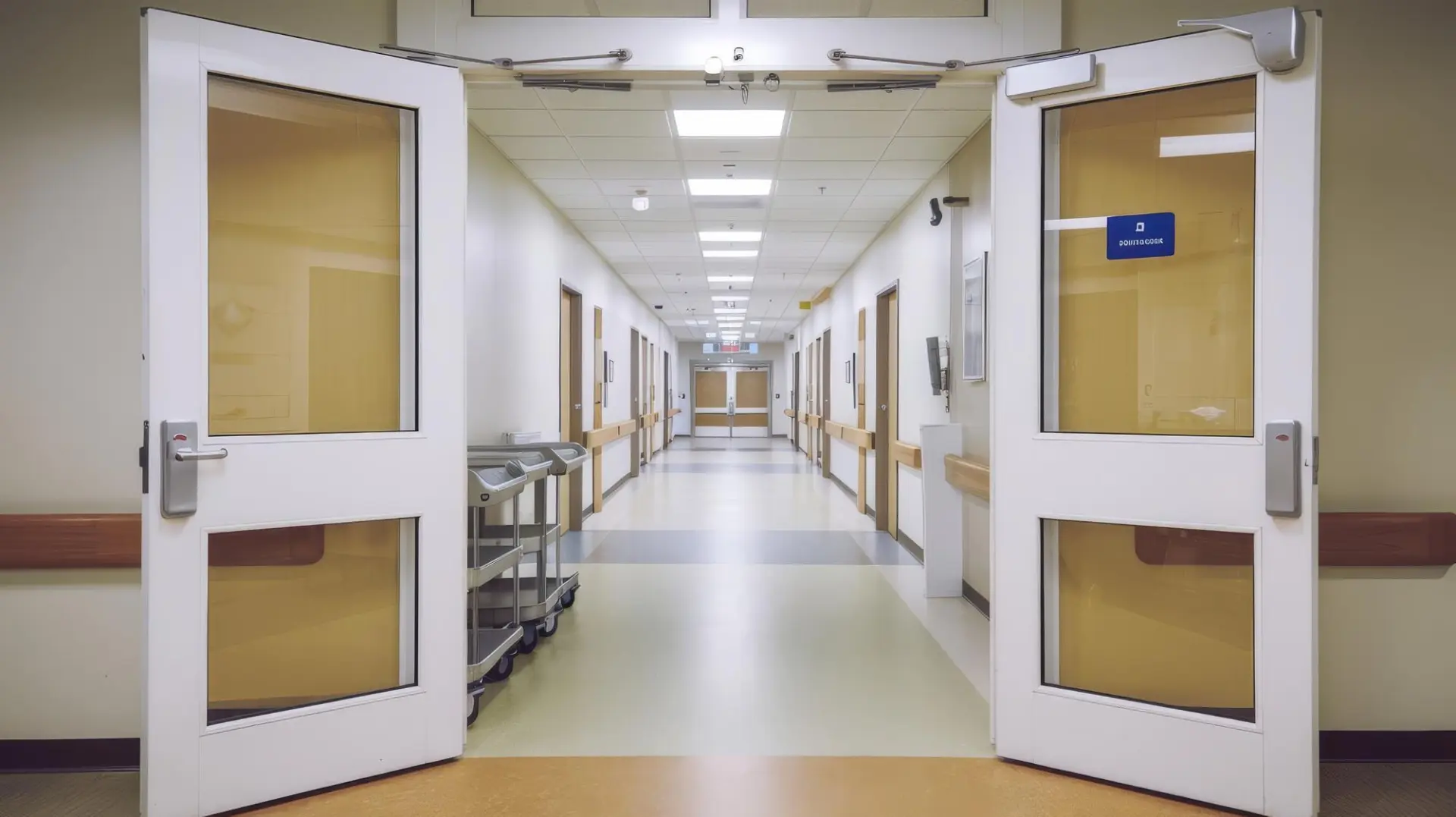
Common issues include poor sealing, incorrect alignment, and the use of unsuitable materials or finishes. If the door does not close properly or the seal weakens, contaminants may enter the space more easily. Misalignment can also place extra strain on hinges, tracks, and other moving parts, causing them to wear out faster.
Moisture, frequent cleaning, and heavy use can all add to these problems if the door has not been fitted correctly. Small faults can become larger over time, leading to higher maintenance costs and possible disruption to the environment where the door is used.
Regular inspection and maintenance can help spot these issues early, but preventing them during installation is always the better option. A careful fitting process helps ensure reliable performance, better hygiene support, and a longer service life.
From installation and maintenance to repairs, replacements, servicing, and upgrades, a full range of hermetic door services is available for clean and controlled spaces in Bedworth and Warwickshire. Each service is carried out to support safe operation, strong sealing performance, and long term reliability, helping medical, hygiene focused, and specialist environments stay fully functional.