Read our expert guide to Hermetic and Hygienic Door Installation: learn how professional fitting ensures airtight seals, hygiene standards, and optimal performance for sensitive environments.
What Are Hermetic and Hygienic Doors?
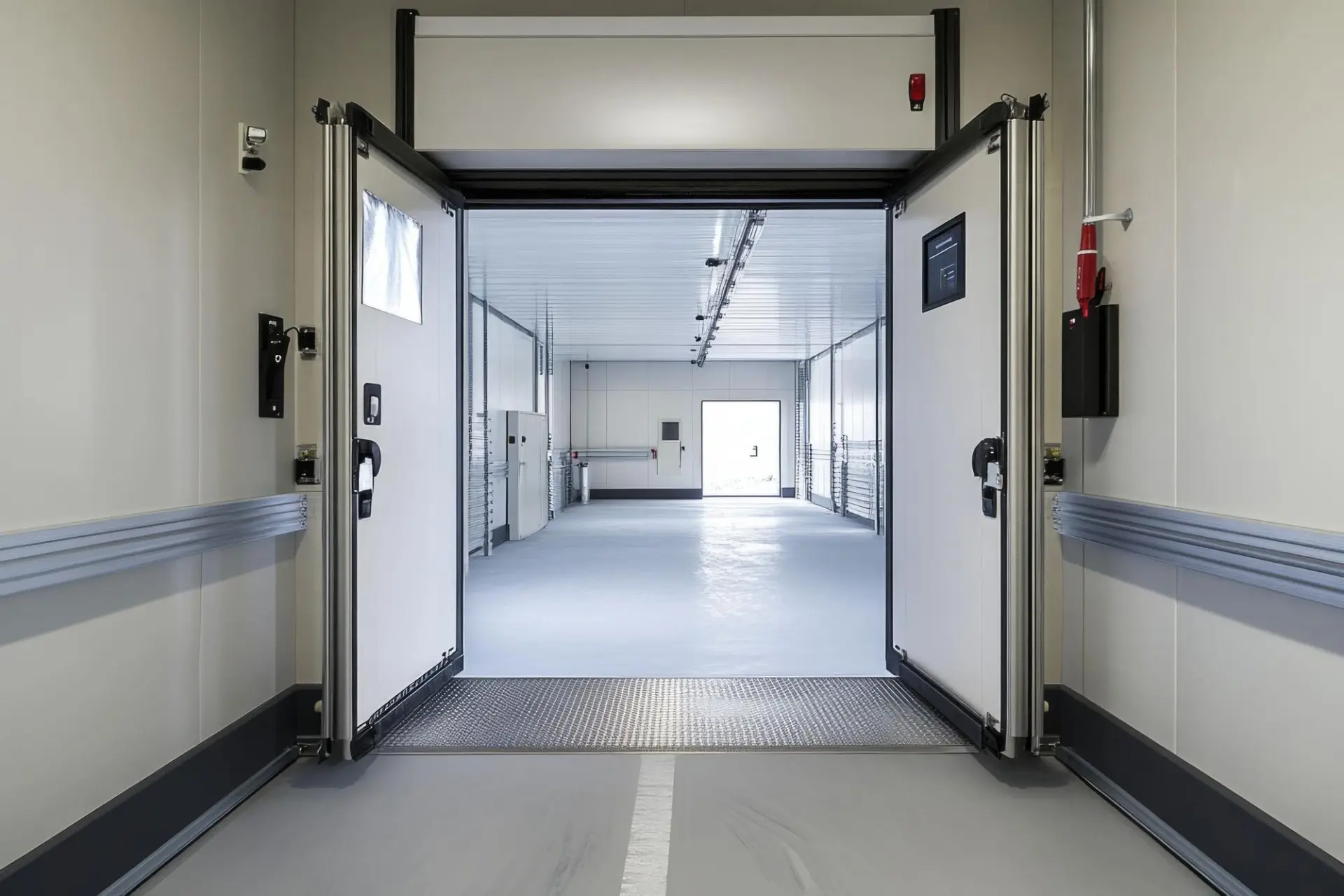
Hermetic and hygienic doors are specially designed doors used in environments where cleanliness and controlled conditions are essential. A hermetic door is built to create an airtight seal when closed, helping to prevent the movement of air, dust, and contaminants between spaces. Hygienic doors are designed with smooth surfaces and materials that are easy to clean and resistant to bacteria.
These doors are commonly used in areas where hygiene standards are strict. Their construction helps maintain controlled environments by reducing the risk of contamination.
Unlike standard doors, they are designed with fewer joints and gaps, which makes them easier to clean and maintain. They often include sealing systems that ensure a tight fit when closed. Understanding the purpose of hermetic and hygienic doors helps ensure they are installed and used correctly in suitable environments.
Why Proper Installation Matters
Proper installation is essential for hermetic and hygienic doors to perform as intended. Even a high quality door will not function correctly if it is not fitted properly. The effectiveness of the seal, the ease of operation, and the overall hygiene of the space all depend on accurate installation.
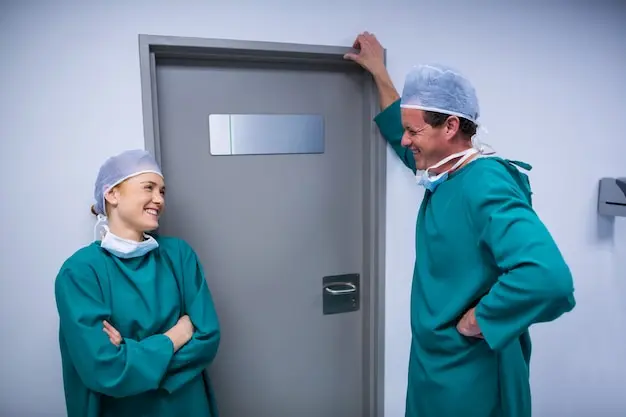
If the door is not aligned correctly, gaps may form around the edges. This can allow air, dust, and contaminants to pass through, reducing the effectiveness of the hermetic seal. In environments where cleanliness is critical, even small gaps can create serious issues. Installation also affects durability. A poorly installed door may wear unevenly, leading to damage over time. This can increase maintenance needs and reduce the lifespan of the door.
Correct installation ensures that all components work together as designed. This includes seals, frames, and any automated systems. By following proper installation procedures, the door will provide reliable performance, maintain hygiene standards, and operate smoothly in demanding environments.
Where Hermetic and Hygienic Doors Are Commonly Used
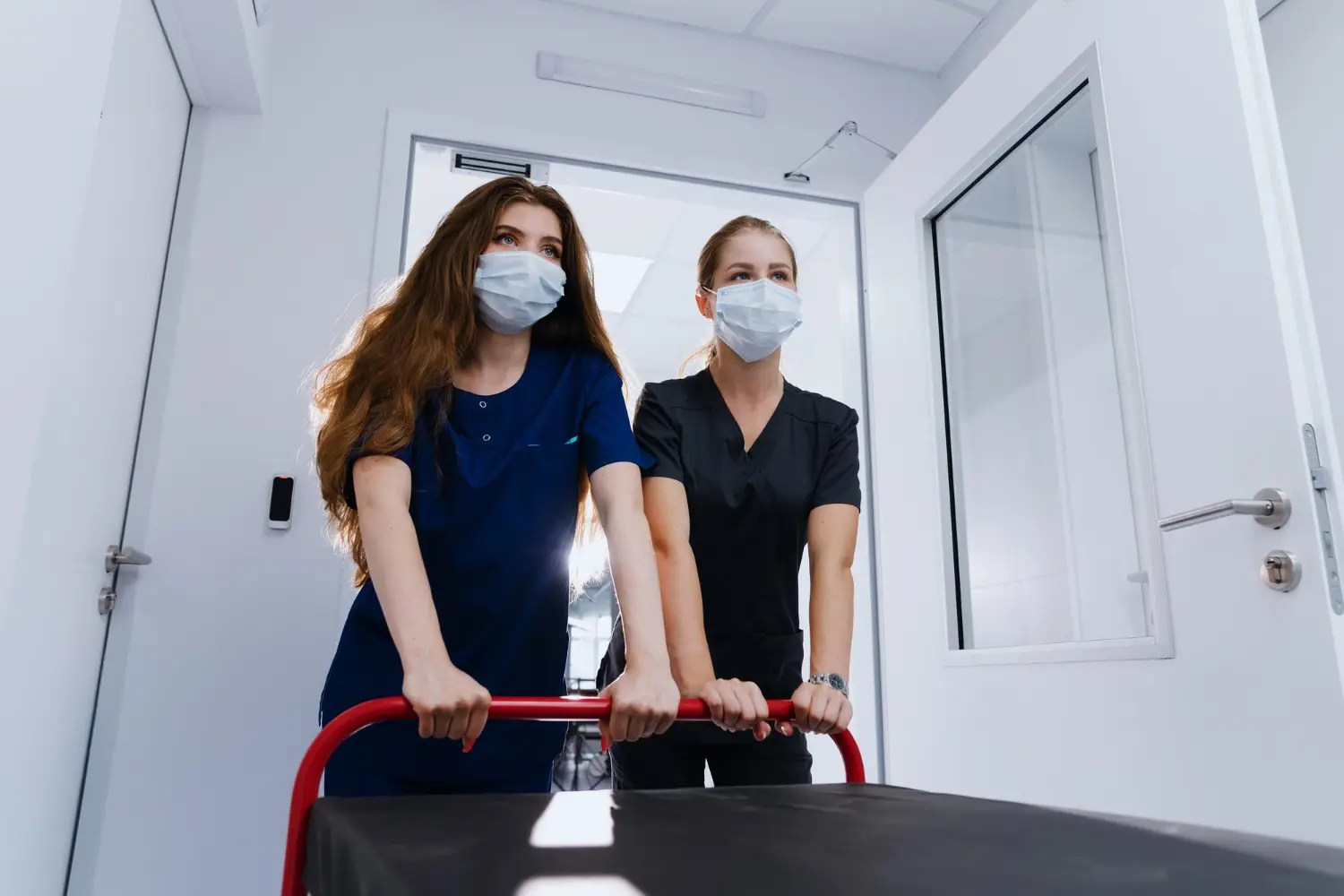
Hermetic and hygienic doors are used in environments where cleanliness and air control are essential. These include hospitals, laboratories, cleanrooms, and food production facilities. In healthcare settings, they help prevent the spread of infection by controlling airflow between rooms. In laboratories, they support controlled environments where contamination must be avoided. Food processing areas also rely on hygienic doors to maintain cleanliness and meet safety standards.
The smooth surfaces and easy cleaning features help reduce the risk of bacteria build up. These doors are also used in pharmaceutical production and other specialist industries where strict hygiene rules apply. Using the correct type of door in these settings helps maintain safety, protect products, and ensure compliance with industry standards.
Key Features of Hermetic and Hygienic Doors
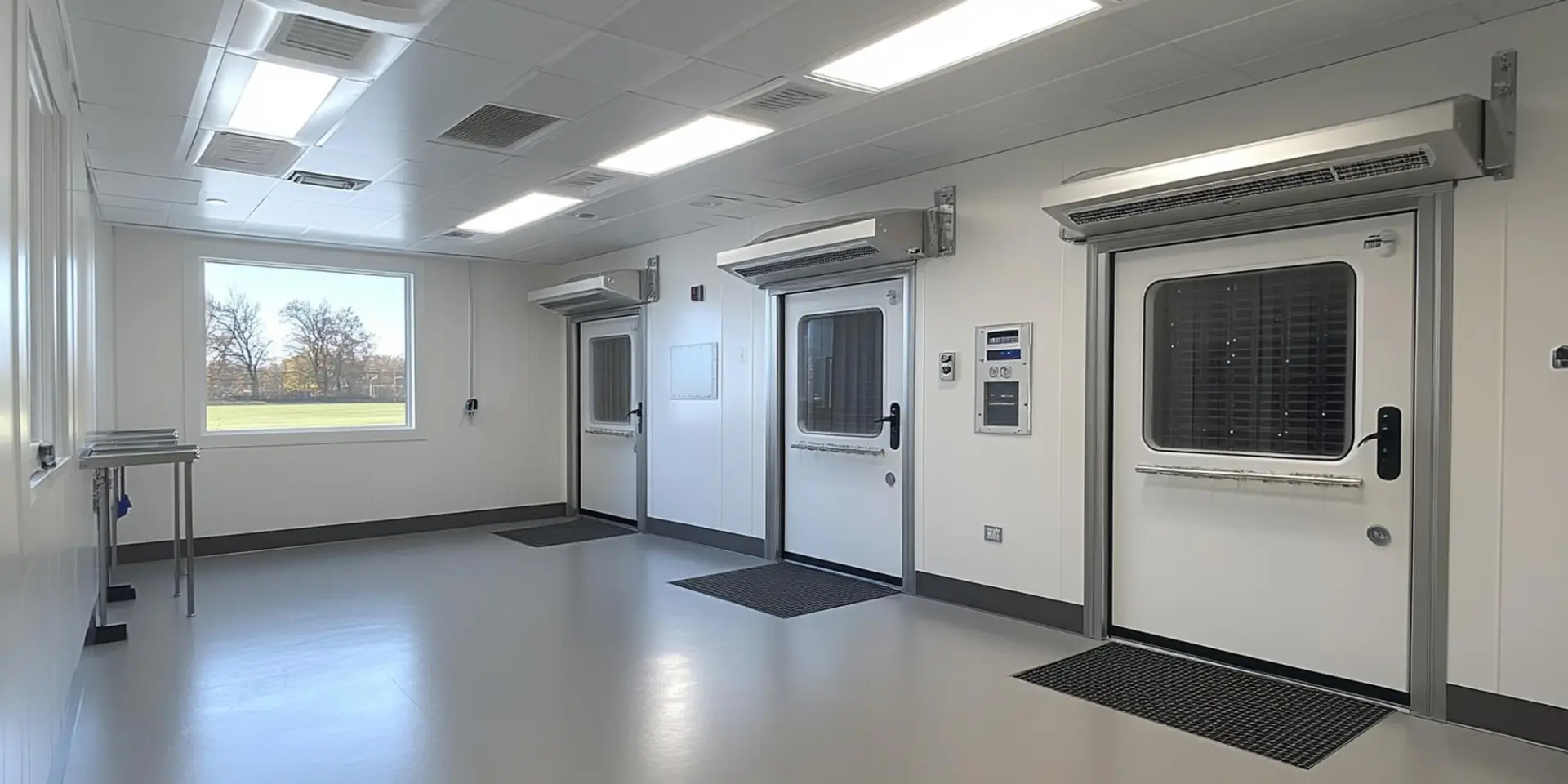
Hermetic and hygienic doors are designed with specific features that support cleanliness and airtight performance. One of the most important features is the sealing system. Hermetic doors use specialised seals that press tightly against the frame when closed, preventing air and particles from passing through.
Another key feature is the smooth surface design. Hygienic doors are made with materials that have minimal joints and no exposed edges where dirt or bacteria can collect. This makes them easier to clean and maintain.
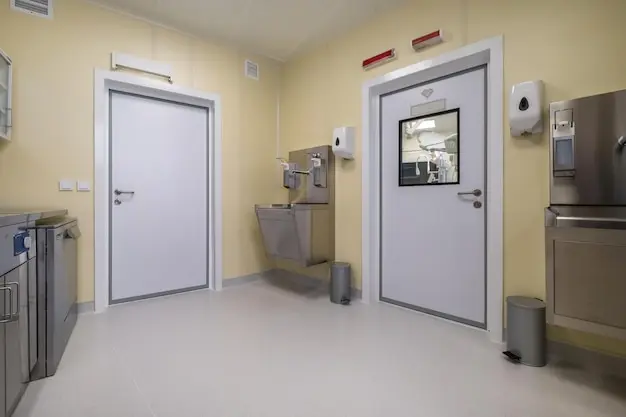
Many of these doors are also designed for easy operation. They may include sliding mechanisms or automated systems that allow for smooth and controlled movement. This reduces the need for physical contact, which can help maintain hygiene.
Durable materials are commonly used to ensure long term performance. These materials are often resistant to moisture, chemicals, and frequent cleaning. Together, these features ensure that hermetic and hygienic doors meet the high standards required in controlled environments.
Understanding Hygiene and Sealing Requirements
Hygiene and sealing requirements are critical when installing hermetic and hygienic doors. These requirements ensure that the door performs correctly in environments where cleanliness is essential.
A proper seal prevents air movement between spaces. This helps control contamination and maintain stable conditions within the room. Hygiene requirements focus on preventing the build up of dirt and bacteria. This means using materials that are easy to clean and resistant to moisture.
The door must also fit precisely within the frame to avoid gaps. Even small openings can reduce effectiveness. Understanding these requirements helps ensure the door meets performance standards and supports a clean, controlled environment.
Choosing the Right Door for the Space
Choosing the right hermetic or hygienic door depends on the specific needs of the space. Different environments require different levels of sealing, durability, and ease of cleaning. Understanding these requirements helps ensure the correct door is selected. The size and layout of the area should be considered. Larger openings may require wider doors or automated systems for ease of use. Smaller spaces may benefit from compact designs that maximise efficiency.
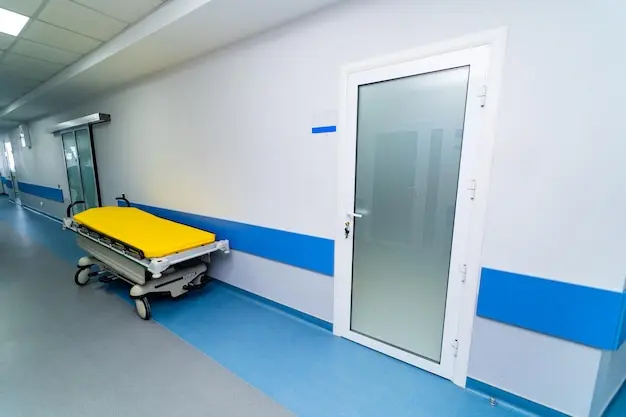
The level of hygiene required is also important. Some areas, such as operating theatres or cleanrooms, require strict control of airflow and contamination. In these cases, a high performance hermetic door is essential.
Material choice is another key factor. Doors should be made from materials that can withstand regular cleaning and exposure to chemicals if needed.
By selecting a door that matches the specific demands of the space, businesses can ensure reliable performance, improved hygiene, and long term durability.
Planning Before Installation Begins
Planning is an important step before installing hermetic and hygienic doors. It ensures that the installation process runs smoothly and that the door performs correctly once fitted. This stage includes reviewing the space, confirming measurements, and checking structural requirements.
Accurate measurements are essential to ensure a proper fit. It is also important to consider access and workflow. The door should be positioned in a way that supports movement within the space. Any additional systems, such as automation or access controls, should be planned in advance. Good planning helps avoid delays, reduces the risk of errors, and ensures the installation meets all requirements.
Preparing the Opening and Surrounding Area
Preparing the opening and surrounding area is a key part of the installation process. The space where the door will be fitted must be clean, level, and structurally sound. Any irregularities can affect how the door operates and seals. The opening should be measured carefully to ensure it matches the door specifications. If adjustments are needed, these should be made before installation begins. This helps prevent issues later in the process.
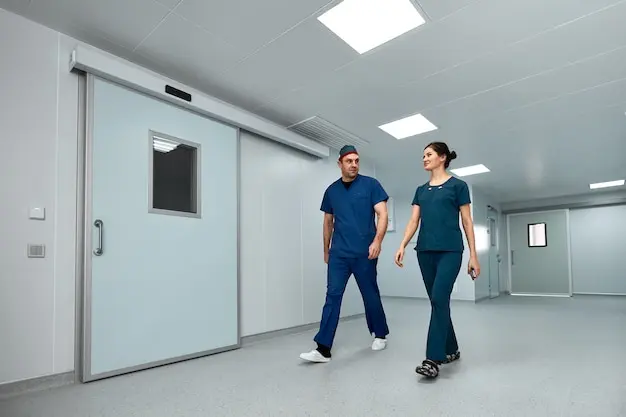
The surrounding area should also be cleared of debris and obstructions. This creates a safe working environment and allows the installation to be carried out efficiently.
It is important to check that walls and frames are strong enough to support the door. Hermetic doors, in particular, may require precise alignment to achieve a proper seal.
By preparing the area correctly, the installation process becomes smoother and the final result is more reliable and effective.
Hermetic and Hygienic Door Installation Process
The installation process involves fitting the frame, aligning the door, and securing all components. Each step must be carried out carefully to ensure correct operation. The frame is usually installed first and must be level and secure. The door is then fitted and adjusted to ensure smooth movement.
Seals are applied or checked to ensure a tight fit. These are essential for achieving airtight performance. All components should be tested during installation to confirm they are working correctly. Following the correct process helps ensure the door performs as intended and meets hygiene requirements.
How to Achieve a Reliable Airtight Seal
Achieving a reliable airtight seal is one of the most important aspects of installing a hermetic door. The seal prevents air, dust, and contaminants from passing between spaces, which is essential in controlled environments. The first step is ensuring the door and frame are perfectly aligned. Even small gaps can affect the seal and reduce performance. Accurate measurements and careful installation are key to avoiding these issues.
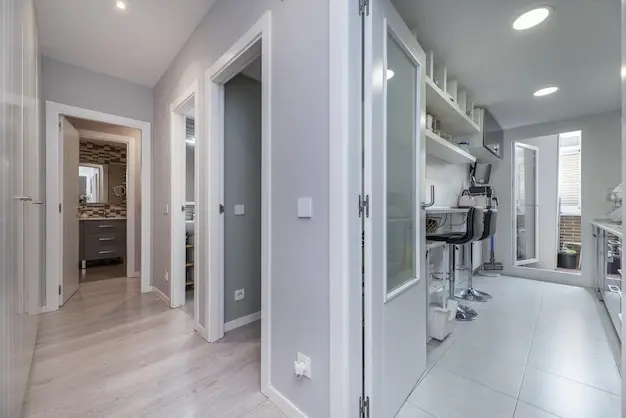
High quality sealing materials should be used. These are designed to compress when the door closes, creating a tight barrier. The condition of these seals should be checked regularly during installation. The closing mechanism also plays a role.
Some hermetic doors use pressure systems that pull the door tightly into place. This helps create a consistent seal every time the door is used. By focusing on alignment, materials, and proper fitting, a reliable airtight seal can be achieved, ensuring the door performs effectively.
Materials and Finishes That Support Hygiene
Materials and finishes play a key role in maintaining hygiene. Smooth, non porous surfaces are easier to clean and reduce the risk of contamination.
Common materials include stainless steel and coated finishes that resist moisture and chemicals. These help ensure durability and cleanliness.
Seamless designs are also important. Fewer joints mean fewer places for dirt to collect. Choosing the right materials supports hygiene and long term performance. This helps maintain high standards in controlled environments.
Safety Checks During Installation
Safety checks during installation are essential to ensure the door operates correctly and does not pose a risk to users. These checks should be carried out at each stage of the installation process. The stability of the frame should be confirmed first. It must be securely fixed and able to support the door without movement. Any instability can affect both performance and safety.
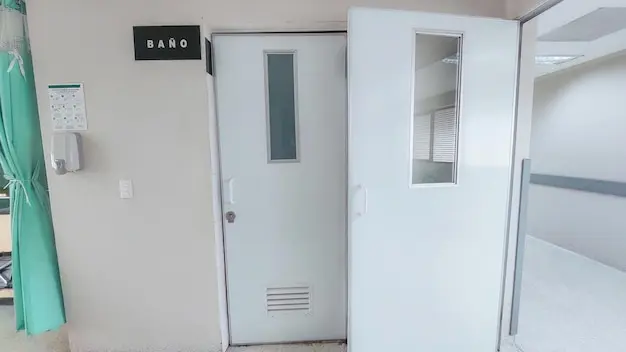
Moving parts should also be checked. This includes hinges, tracks, and any automated systems. They must operate smoothly without obstruction or resistance.
Electrical components, if present, should be installed according to guidelines. This helps prevent faults and ensures safe operation.
Clearances around the door should be reviewed to ensure there is no risk of trapping or injury. By carrying out thorough safety checks, installers can ensure the door is safe, reliable, and ready for use.
Testing Door Performance After Installation
Testing is an important step after installation. It ensures the door is working correctly and meets required standards.
The door should be opened and closed several times to check movement. It should operate smoothly without resistance.
The seal should also be tested to confirm it is airtight. This may involve checking for gaps or airflow.
Any issues should be corrected before the door is put into use. Proper testing helps ensure reliable performance and long term effectiveness.
Cleaning and Maintenance After Fitting
Cleaning and maintenance are important for keeping hermetic and hygienic doors in good condition after installation. Regular cleaning helps maintain hygiene standards and ensures the door continues to perform effectively. Surfaces should be cleaned using suitable products that do not damage the materials. This helps remove dirt, bacteria, and other contaminants. Smooth finishes make this process easier and more efficient.
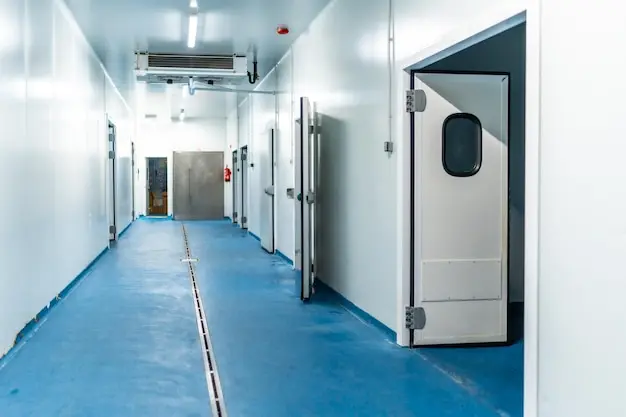
Seals should be checked regularly to ensure they remain in good condition. Damaged or worn seals can affect the airtight performance of the door. Replacing them when needed helps maintain effectiveness.
Moving parts should also be inspected. Tracks, hinges, and mechanisms should be kept clean and free from obstruction. This helps ensure smooth operation over time.
By following a regular maintenance routine, businesses can extend the life of the door, maintain hygiene standards, and ensure reliable performance in demanding environments.
From installation and maintenance to repairs, replacements, servicing, and upgrades, a full range of hermetic door services is available for clean and controlled spaces in Bedworth and Warwickshire. Each service is carried out to support safe operation, strong sealing performance, and long term reliability, helping medical, hygiene focused, and specialist environments stay fully functional.