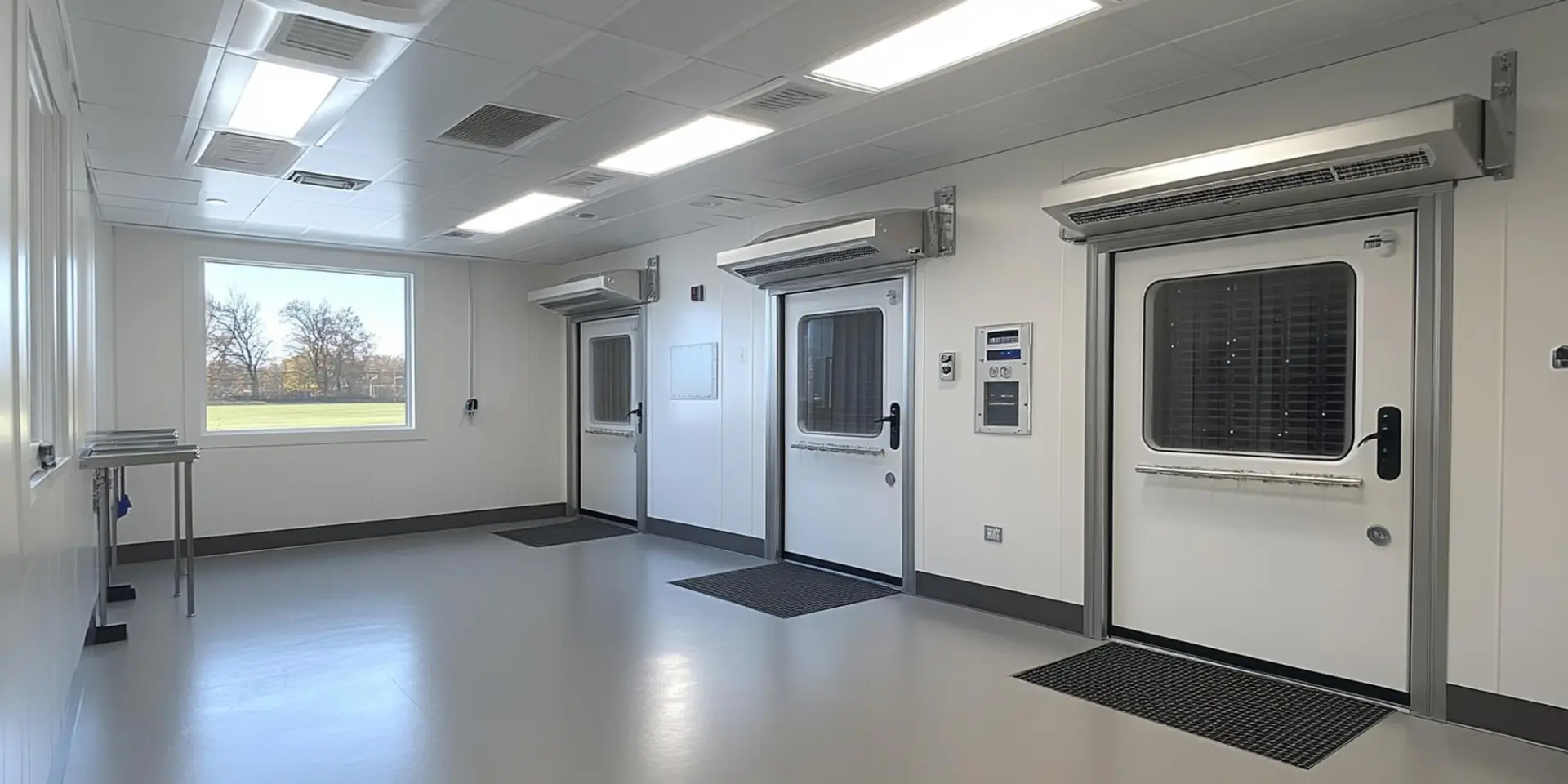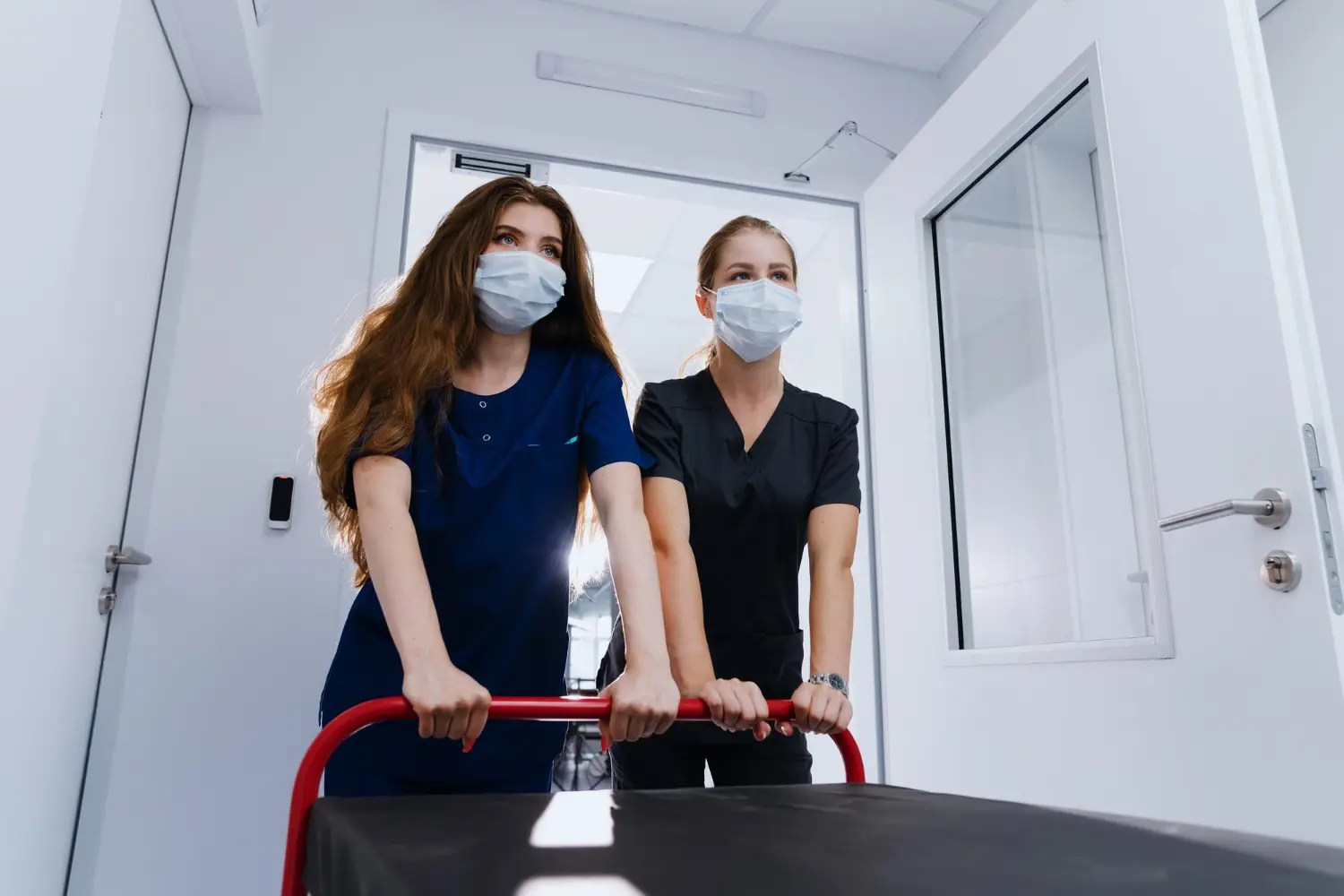
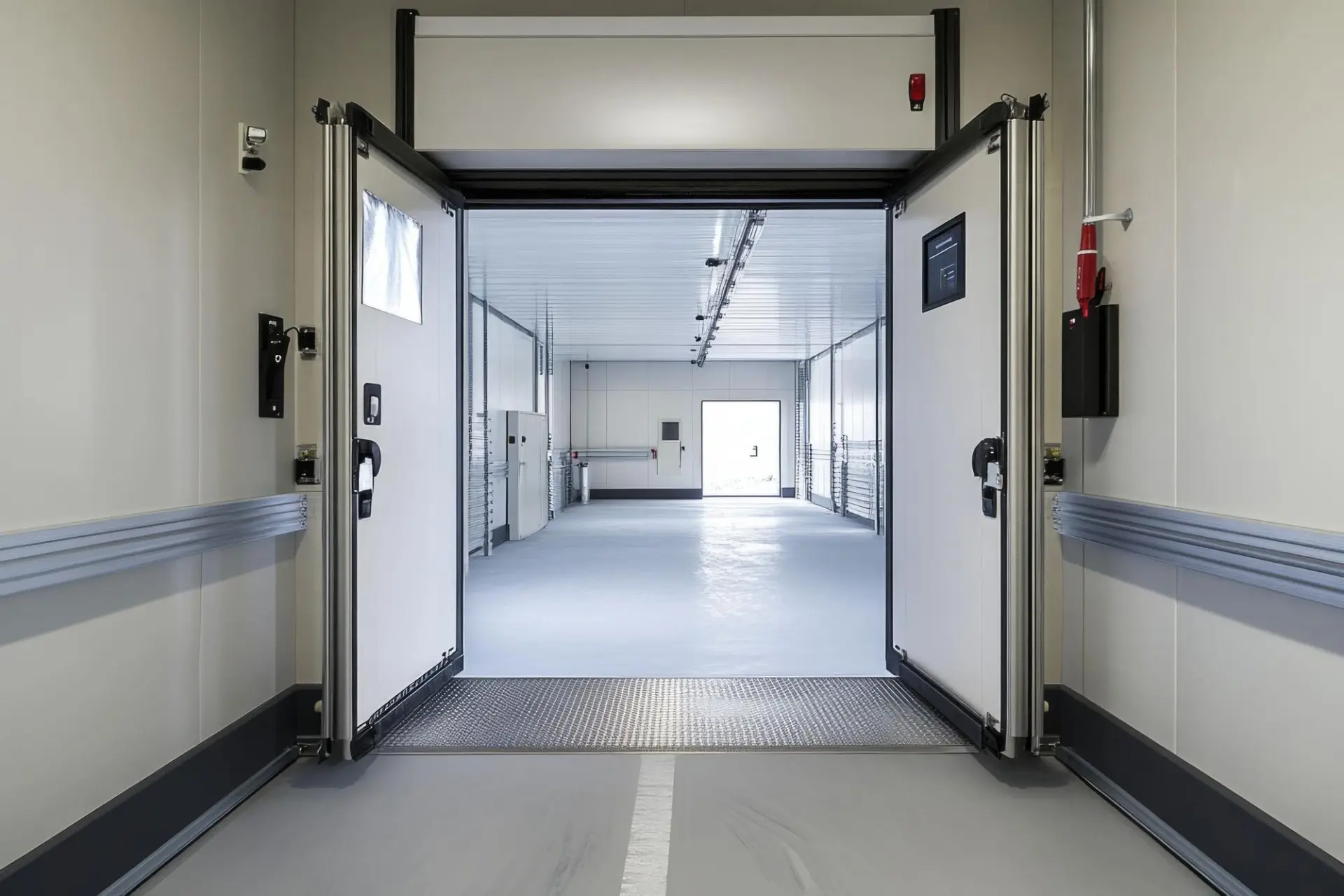
Hermetic doors support clean environments through exceptional sealing and easy-to-clean surfaces, critical for contamination control in healthcare and manufacturing.
What Is a Hermetic Door?
A hermetic door is a specialised door designed to create an airtight seal when closed. Unlike standard doors, it is built to prevent the movement of air, dust, and other particles between spaces. This makes it suitable for environments where cleanliness and controlled conditions are essential.
Hermetic doors use sealing systems that press tightly against the frame. This helps stop air from passing through gaps. The design often includes smooth surfaces and minimal joints, which makes the door easier to clean and maintain. These doors are commonly used in settings that require strict hygiene standards. They help support controlled environments by reducing the risk of contamination.
Understanding what a hermetic door is helps explain why it is an important feature in many specialised spaces where cleanliness and air control are priorities.
Why Clean Environments Need Reliable Sealing
Clean environments rely on reliable sealing to maintain controlled conditions. In spaces such as hospitals, laboratories, and cleanrooms, even small amounts of contamination can create serious problems. Air movement between rooms can carry dust, bacteria, and other particles, which may affect safety and performance.
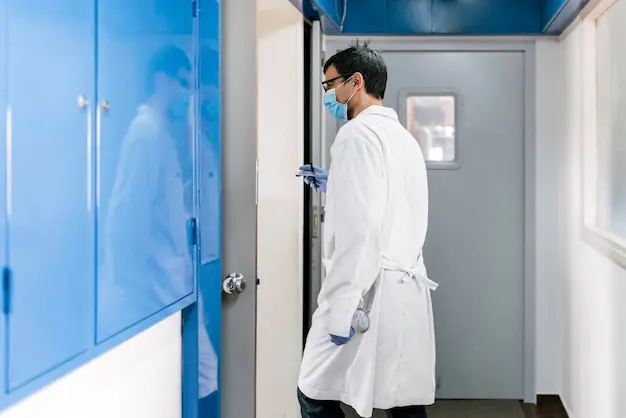
Reliable sealing helps prevent this movement. When a door forms a tight seal, it limits the transfer of air between different areas.
This is especially important in environments where pressure differences are used to control airflow. Without proper sealing, these systems cannot work effectively.
Sealing also supports consistent conditions within a room. Temperature, humidity, and air quality can all be affected by unwanted air exchange. A well sealed door helps maintain stability. In addition, reliable sealing improves overall hygiene. It reduces the chance of external contaminants entering controlled spaces.
By ensuring that doors provide an effective seal, clean environments can operate more safely and maintain the standards required for their specific use.
How Hermetic Doors Help Control Air Movement
Hermetic doors play an important role in controlling air movement within buildings. Their airtight design helps prevent air from passing between spaces when the door is closed. This control is essential in environments where airflow must be carefully managed.
For example, some rooms are designed to maintain positive or negative pressure. Hermetic doors help support these systems by reducing unwanted air exchange. By limiting air movement, these doors help contain particles such as dust or airborne contaminants. This supports cleaner and more controlled environments.
The sealing system is key to this function. When the door closes, the seal presses tightly against the frame to block airflow. By controlling air movement effectively, hermetic doors help maintain stable and safe conditions in sensitive areas.
Supporting Hygiene in Sensitive Areas
Hermetic doors support hygiene in sensitive areas by helping to maintain clean and controlled environments. These areas often require strict standards to reduce the risk of contamination and protect both people and processes.
The smooth surfaces of hermetic doors make them easier to clean. This reduces the chance of dirt, bacteria, or other contaminants building up over time. Fewer joints and gaps also mean there are fewer places where particles can collect.
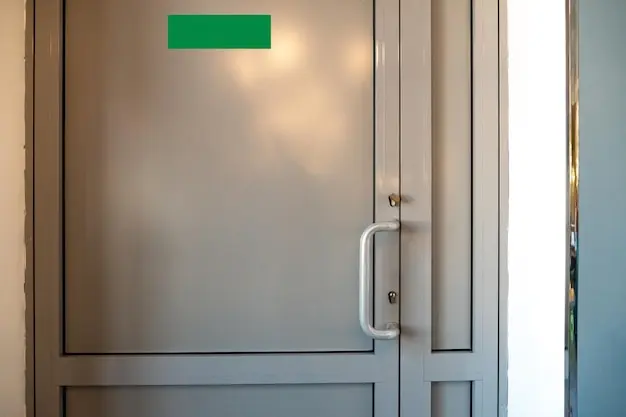
The airtight seal further supports hygiene by preventing contaminants from entering the space. This is particularly important in environments where cleanliness is critical, such as healthcare or food production settings.
Hermetic doors also help maintain consistent environmental conditions. Stable airflow and reduced contamination support hygiene protocols and make cleaning more effective.
By combining easy to clean surfaces with reliable sealing, hermetic doors help ensure that sensitive areas remain safe, controlled, and compliant with required hygiene standards.
The Role of Hermetic Doors in Infection Control
Hermetic doors play an important role in infection control by helping to limit the spread of airborne contaminants. In healthcare environments, controlling the movement of bacteria and viruses is essential for patient safety. The airtight seal prevents air from moving freely between rooms. This helps contain potentially harmful particles within a controlled area.
In spaces such as isolation rooms or operating theatres, this level of control is especially important. It supports infection prevention measures and helps maintain safe conditions. Hermetic doors also work alongside ventilation systems to improve effectiveness.
By reducing air leakage, they help these systems perform as intended. Through effective sealing and controlled airflow, hermetic doors support infection control and help reduce the risk of spreading contaminants.
Reducing the Risk of Contamination
Hermetic doors help reduce the risk of contamination by creating a barrier between controlled environments and surrounding areas. This is particularly important in spaces where even small amounts of contamination can affect safety or product quality. The airtight seal prevents airborne particles from moving between rooms. This includes dust, bacteria, and other contaminants that could compromise the environment. By limiting this movement, hermetic doors help maintain clean conditions.
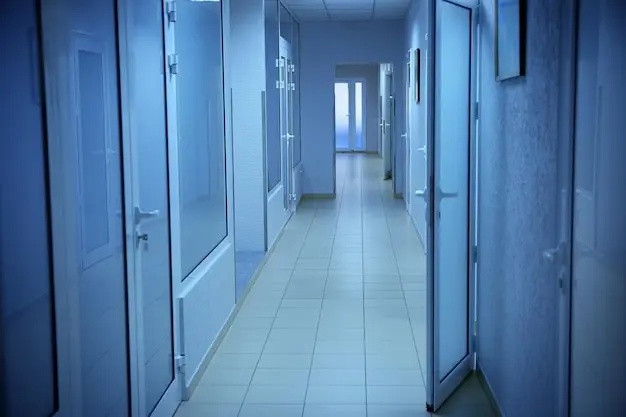
The design of these doors also supports contamination control. Smooth surfaces and minimal joints make them easier to clean and disinfect. This reduces the risk of build up over time.
In addition, hermetic doors help support controlled airflow systems. These systems rely on pressure differences to manage air movement. A properly sealed door ensures these systems remain effective.
By combining physical barriers with controlled airflow, hermetic doors provide a reliable solution for reducing contamination and maintaining high standards in sensitive environments.
Where Hermetic Doors Are Most Commonly Used
Hermetic doors are commonly used in environments where cleanliness and air control are essential. These include hospitals, laboratories, cleanrooms, and pharmaceutical facilities. In healthcare settings, they help control the spread of infection and maintain sterile conditions.
Laboratories use them to protect sensitive processes from contamination. Food production areas also benefit from hermetic doors, as they help maintain hygiene standards and prevent the spread of particles.
These doors are also used in research and manufacturing environments where controlled conditions are required. Their ability to create an airtight seal makes them suitable for a wide range of industries where maintaining clean environments is important.
Key Features That Make Hermetic Doors Effective
Hermetic doors include several key features that make them effective in supporting clean environments. One of the most important features is the sealing system. This system ensures the door forms an airtight seal when closed, preventing air and particles from passing through. The door design also plays a role. Smooth, flat surfaces make cleaning easier and reduce the risk of contamination. Minimal joints and gaps further support hygiene by limiting areas where dirt can collect.
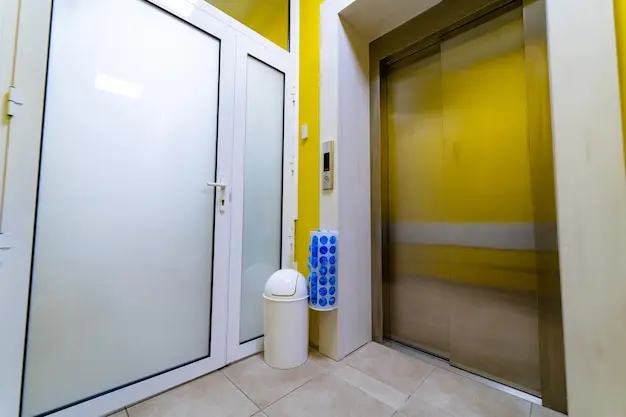
Many hermetic doors are designed for reliable and consistent operation. This includes mechanisms that ensure the door closes properly every time. Some doors include automated systems that reduce the need for manual contact.
Durable materials are also important. These doors are often made from materials that resist moisture, chemicals, and frequent cleaning. This helps maintain performance over time.
Together, these features ensure hermetic doors provide effective sealing, support hygiene, and deliver reliable performance in demanding environments.
How Door Design Affects Cleanliness and Safety
Door design has a direct impact on cleanliness and safety in controlled environments. Features such as smooth surfaces and minimal joints help reduce the risk of contamination.
A well designed door is easier to clean and maintain. This supports hygiene standards and helps prevent the build up of dirt or bacteria. Design also affects safety. Doors must open and close smoothly without creating hazards.
Proper alignment and secure fitting are essential. Sealing systems are part of the design and must work effectively to prevent air movement. By focusing on design, hermetic doors can support both cleanliness and safe operation in sensitive areas.
The Importance of Proper Installation
Proper installation is essential for hermetic doors to perform correctly. Even the best designed door will not work as intended if it is not fitted properly. Installation affects sealing, alignment, and overall performance. If the door is not aligned correctly, gaps may form. This can allow air and contaminants to pass through, reducing the effectiveness of the seal. In controlled environments, this can create serious issues.
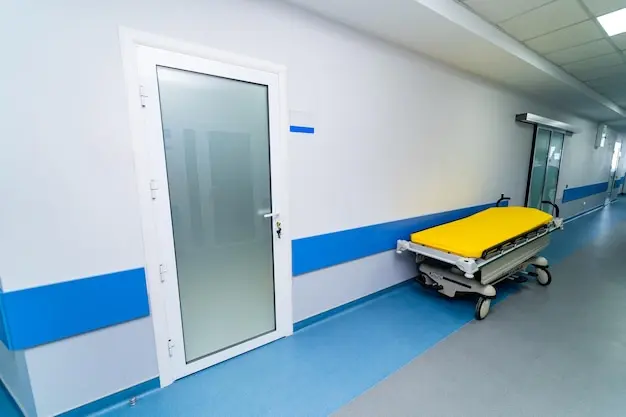
Installation also affects how the door operates. A poorly fitted door may not open or close smoothly, leading to wear and potential damage over time.
All components, including the frame and sealing system, must be installed accurately. This ensures the door functions as designed.
By following proper installation practices, businesses can ensure reliable performance, maintain hygiene standards, and extend the lifespan of the door.
Maintaining Airtight Performance Over Time
Maintaining airtight performance is important to ensure hermetic doors continue to function effectively. Over time, seals and components may wear, which can affect performance. Regular checks help identify any issues early. Seals should be inspected and replaced if necessary to maintain a tight fit.
Cleaning is also important. Keeping surfaces free from dirt helps ensure the seal works properly.
Moving parts should be maintained to ensure smooth operation. By carrying out regular maintenance, businesses can ensure hermetic doors continue to provide reliable sealing and support clean environments.
From installation and maintenance to repairs, replacements, servicing, and upgrades, a full range of hermetic door services is available for clean and controlled spaces in Bedworth and Warwickshire. Each service is carried out to support safe operation, strong sealing performance, and long term reliability, helping medical, hygiene focused, and specialist environments stay fully functional.