Importance of Automatic Doors for Disabled Access
Automatic doors play a key part in making buildings easier to use for people with disabilities. They remove barriers that can stop people from entering and exiting safely, especially when manual doors are heavy or awkward to open. By improving accessibility in places like hospitals, airports, and businesses, automatic doors help create a safer, more inclusive experience for visitors and staff, while also supporting independence and convenience for everyone.
Fitting Automatic Doors for Disabled Access
When it comes to a building, there are rules to keep in mind. These rules exist so people can enter and exit safely, including people with disabilities, older people, and parents with prams. Good accessibility is not just helpful, it is essential for visitors, staff, and users of services.
In the UK, duties around equal access sit mainly under the Equality Act 2010, which replaced most of the Disability Discrimination Act. The aim is the same: buildings should remove barriers and ensure that individuals can move around with independence, dignity, and safety.
Why Automatic Doors Matter
Many disabilities are not obvious. Some people have limited strength in one hand, use a walking frame, or have pain that makes it hard to open the door. Manual doors can create a real risk, especially when a door is heavy, fast-closing, or hard to grip. Automatic doors eliminate the need for physical effort and reduce the need for physical contact with handles.
Automatic doors also make the experience better for everyone. In busy places, they help people move through entrances without delays, which improves convenience and efficiency. This can be important in high traffic areas where queues build up, such as entrances to businesses, public buildings, hospitals, and airports.
Better Access Across the Whole Building
Disabled access is not only about the main entrance. People need to reach key areas such as toilets, corridors, lifts, reception desks, and exit routes. Door design needs to suit the space and the type of building. For example, a narrow corridor may need a different door type to a wide entrance lobby.
Good accessibility also means clear signs, suitable door widths, and enough space for wheelchairs and mobility scooters to turn. The goal is to ensure people can move freely without feeling rushed or unsafe.
Types of Automatic Doors and Where They Work Best
There are different types of automatic doors, and each type is suitable for different buildings and needs.
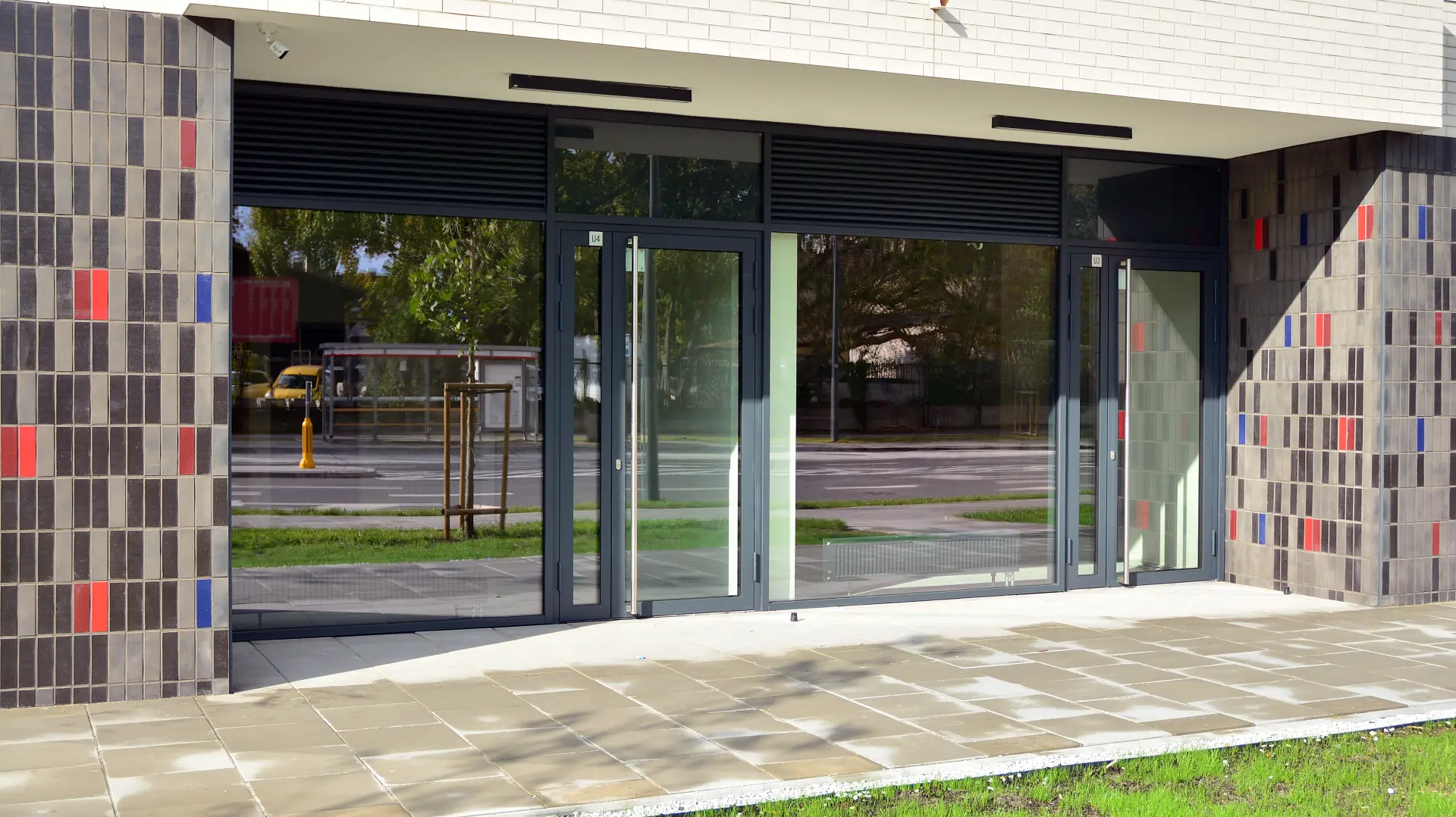
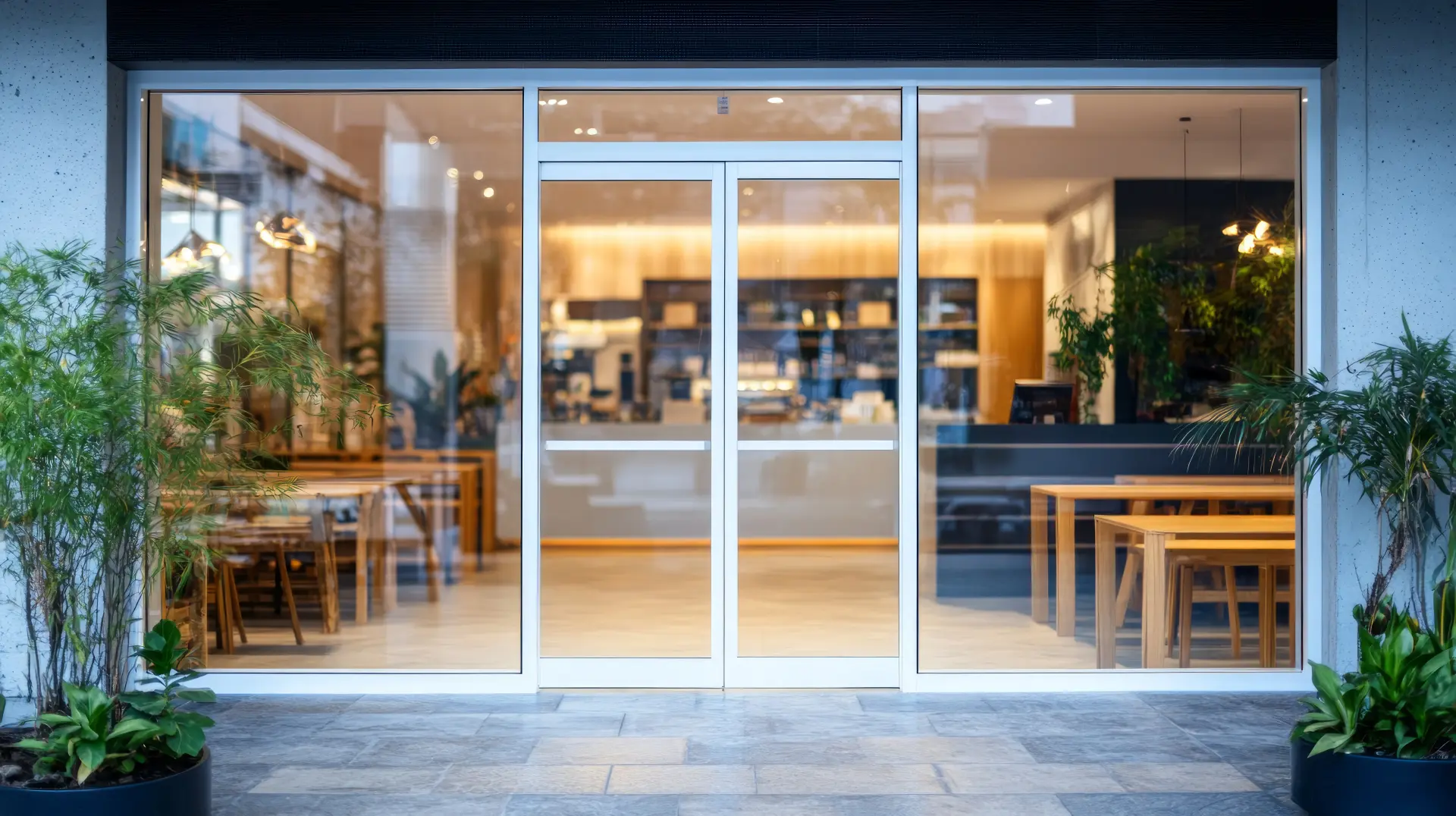
Sliding doors are often ideal for main entrances because they do not swing into people’s path. They work well where space is limited and where there is constant footfall. Sliding doors can also help reduce accidents in crowded traffic areas.
Swing doors can be a good option for internal areas, such as corridors or office doors, where a sliding system may not fit. They can be set up to open gently and safely, with settings that support accessibility needs.
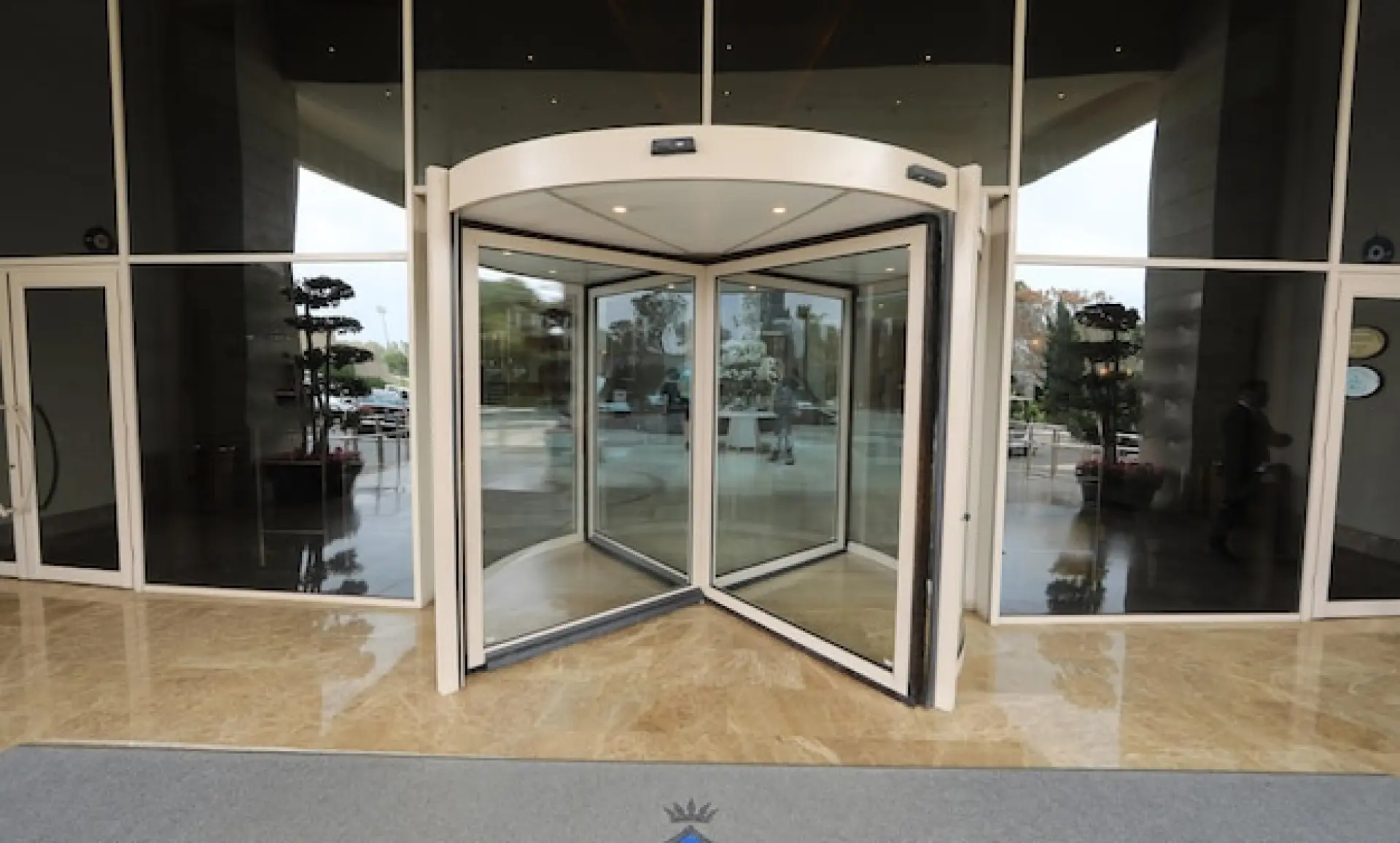
Revolving doors can look impressive, but they are not always suitable for people with disabilities. If revolving doors are used, buildings usually need another accessible entrance nearby, such as an automatic door with a clear route for wheelchair users and people with prams.
Sensors, Control Systems, and Easy Operation
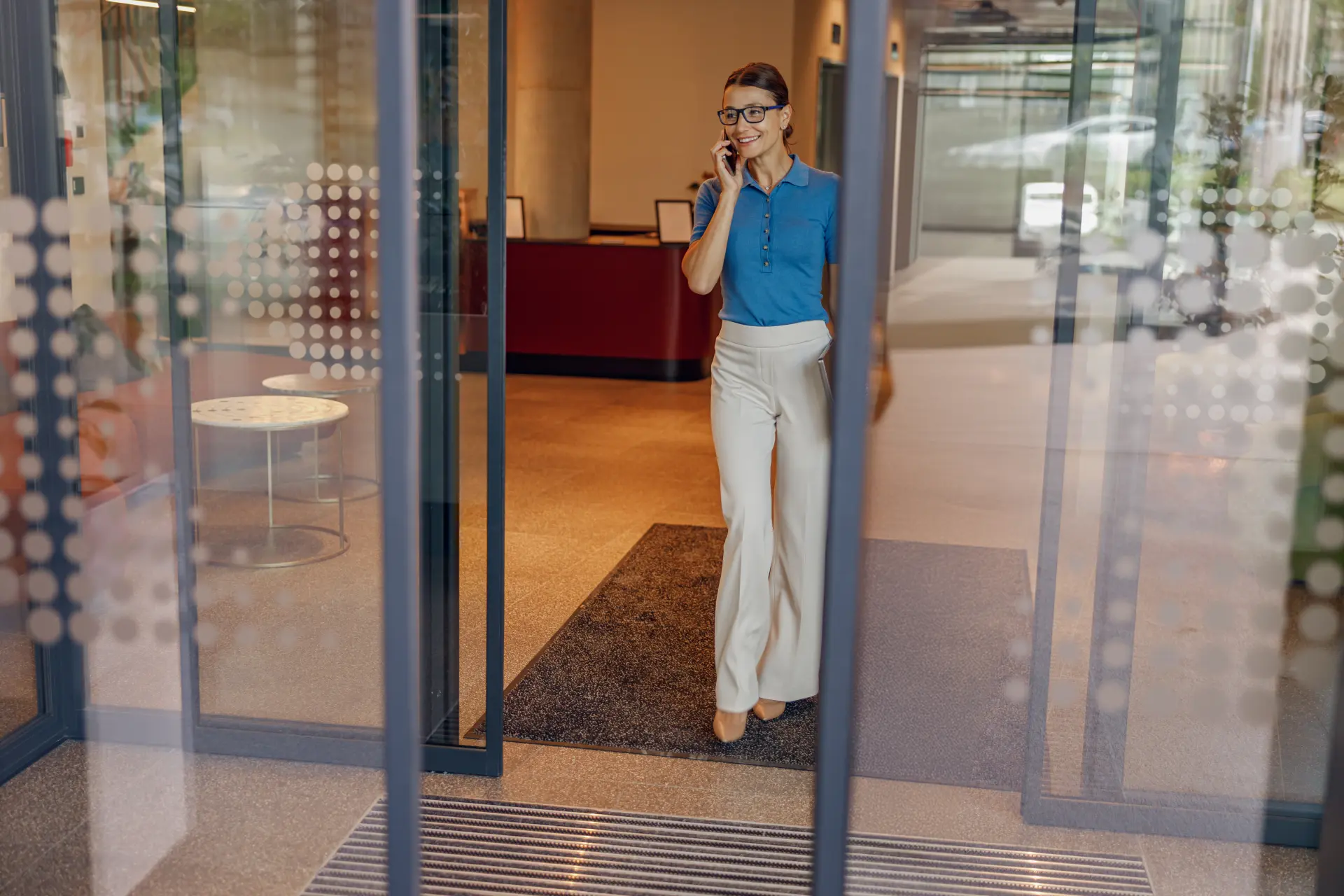
Automatic doors often use motion sensors to detect when people approach. Sensors should be set up carefully to ensure the door opens at the right time and does not close too quickly. This helps reduce risk and supports safe access for people moving more slowly.
Some buildings also use push button controls. A push button can be useful where you want clear user choice, such as at accessible toilets or controlled internal doors. It can also support people who prefer a predictable way to open the door.
In some settings, control systems are linked to access control and access control systems. This can be useful for security, while still supporting accessibility. For example, staff doors in hospitals or secure areas in airports can be equipped with access control, but still allow safe entry for authorised individuals who use wheelchairs or have limited hand movement.
Safety, Security, and Reducing Accidents
Safety should always come first. Doors should open and close at safe speeds and have features that reduce the chance of trapping or impact. Sensors and safety edges help prevent accidents, especially where children, wheelchair users, and people with walking aids may need extra time.
Security matters too, especially for businesses and public buildings. A well-planned integration of automatic doors with security systems can protect the building without making access harder. This balance is important in places where you need controlled entry, but still want to welcome visitors.
Hygiene and Touch-Free Benefits
In places where hygiene is important, automatic doors can reduce the spread of germs because they reduce physical contact. This is helpful in hospitals, clinics, care homes, and busy public services. Touch-free entry also helps people who find handles difficult to use due to pain, weakness, or limited hand movement.
Installation, Design, and Getting It Right
Good installation is key. Even the best automatic door will not help if it is installed poorly or set up with the wrong sensors and timings. Door design should match the building layout, expected foot traffic, and the needs of the people using it.
It is also important to think about the full entrance area, not just the door. Flooring, ramps, lighting, mats, and nearby steps can all affect accessibility. A good plan reduces risk and improves the overall experience.

Compliance and Building Regulations
Building regulations and accessibility regulations set out requirements for safe access. While the exact details can vary by site and use, the goal is to provide entrances and routes that are safe, practical, and inclusive. As a simple example, doors should allow wheelchair access, be easy to use, and support safe exit routes in an emergency.
Because requirements can differ between buildings, it helps to discuss your options early. This makes it easier to choose the right door type and avoid costly changes later.
Regular Maintenance and Ongoing Reliability
Automatic doors need regular maintenance to stay safe and reliable. The maintenance of automatic systems helps ensure sensors, control systems, and safety features keep working as expected. It also reduces breakdowns, improves efficiency, and helps with compliance checks.
Regular maintenance is especially important in high traffic entrances, where doors open the door many times each day. A planned schedule can reduce the chance of faults and keep access available for everyone who needs it.
Choosing the Right Options for Your Site
The best solution depends on your building, your users, and your needs. Some sites need sliding doors for busy entrances, while others need swing doors for internal routes. Some buildings require access control for security, while others need a simple, touch-free entrance for convenience.
If you want help choosing suitable options, call us or get in touch. You can also use our website to find more information and contact our team. Our site may use cookies to improve how it works for users, and to help you find the right services more easily.
If you require disabled access automatic doors throughout Bedworth, Warwickshire or the surrounding areas then please call our helpful team today on 07774 608971 to discuss your requirements.