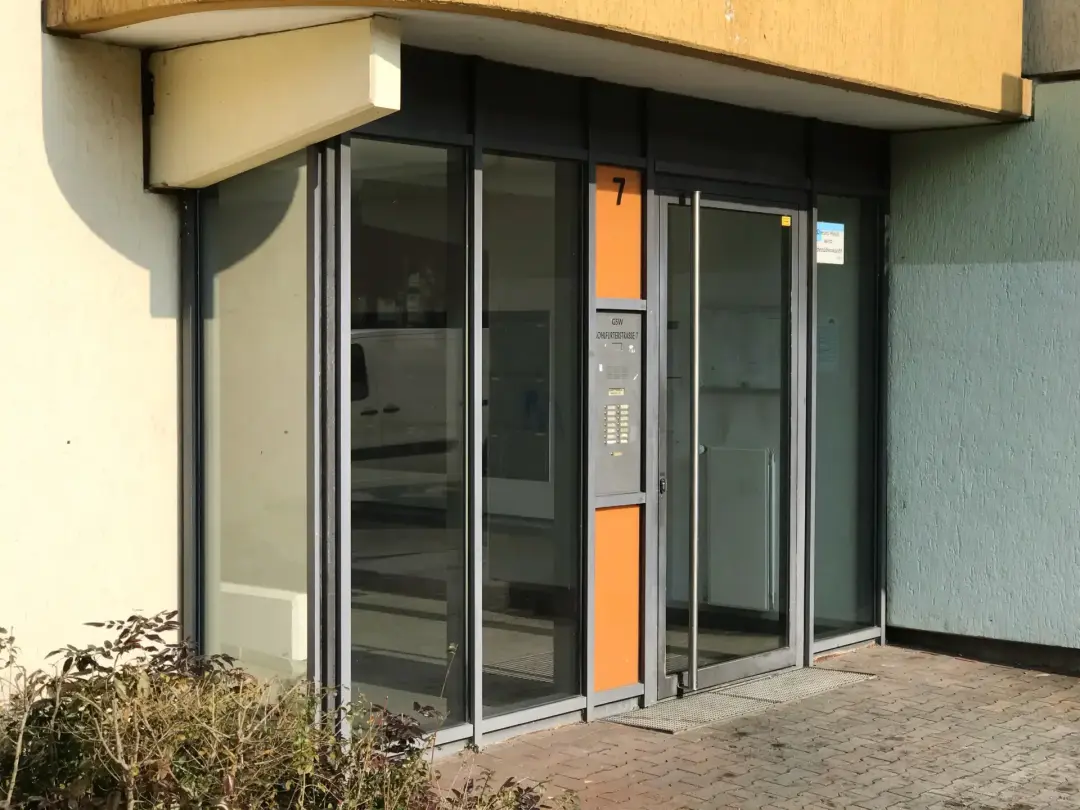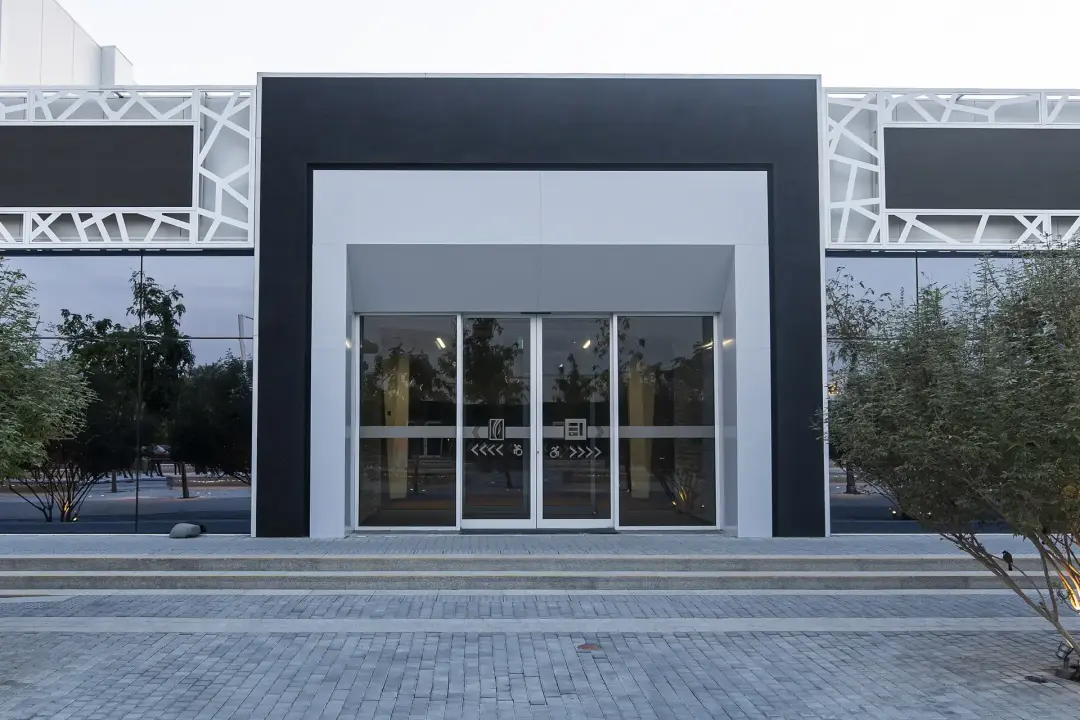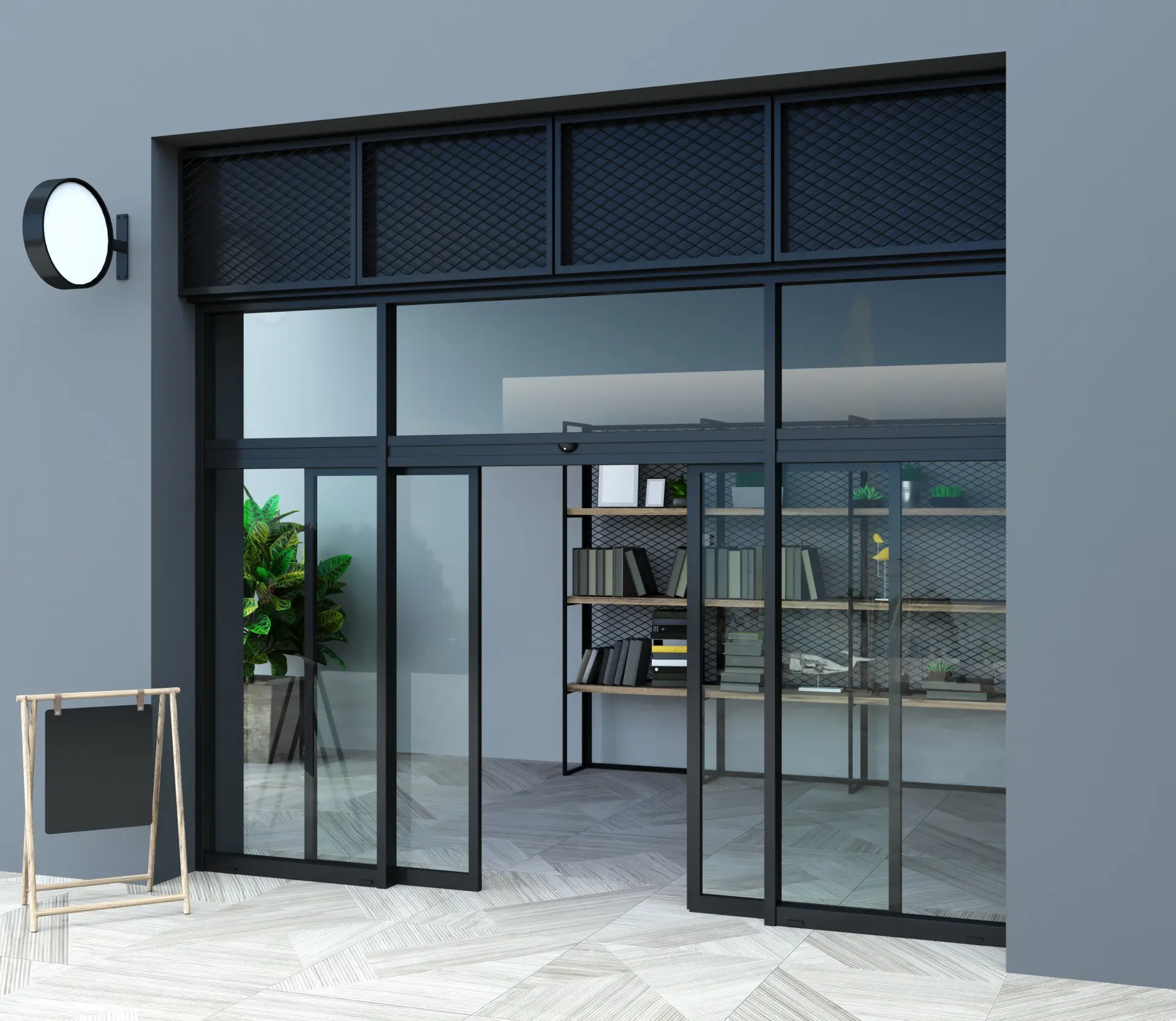
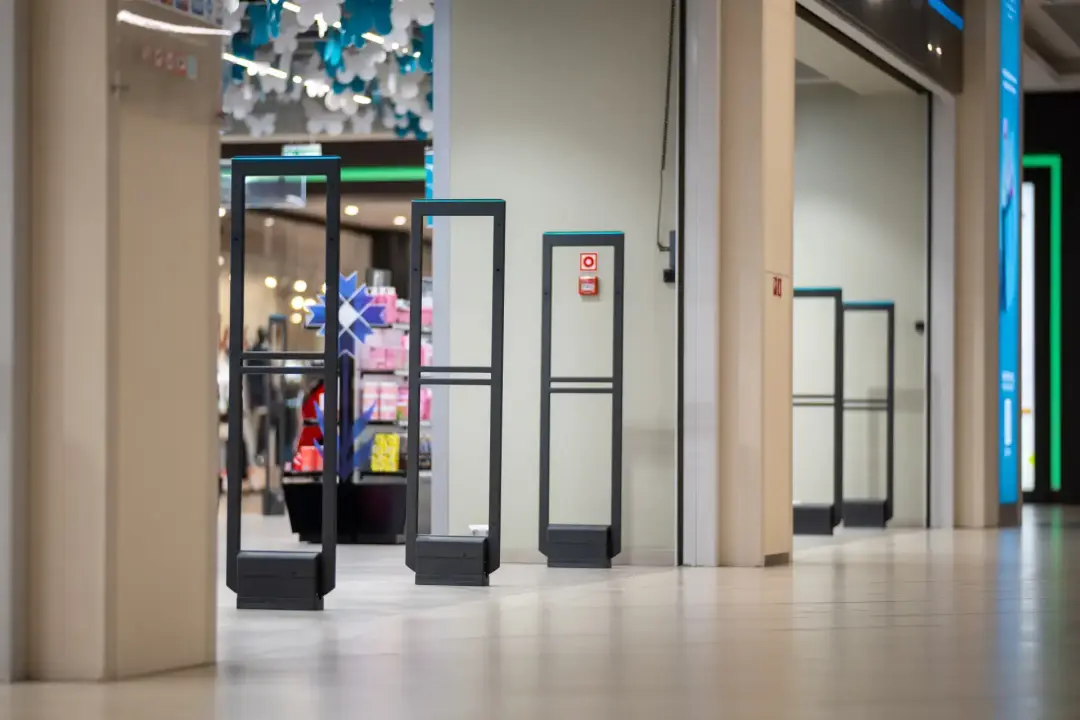
Assess the whole entrance, not just the lock
Useful shop front security features work together: the door and frame, glazing, locking arrangement, access controls and any roller shutter must suit the way the premises operate. For businesses in Bedworth, the starting point is to separate daytime access from securing the building after closing. This guide helps you prepare that specification without assuming that an automatic door, a shutter or a stronger-looking frame is a complete security solution on its own.
Write down 2 different operating situations
Prepare 2 short descriptions: how customers enter during trading, and how authorised staff secure and access the building when it is closed. Include deliveries and staff-only areas. A shop needing open customer access all day has a different brief from premises where visitors should wait for admission.
- During trading: identify public doors, staff-only routes and the positions where staff can see arrivals.
- At closing: identify which entrance the last member of staff uses and how its secure state is checked.
- For deliveries: record which door is used and who is responsible for restoring the normal access arrangement afterwards.
These notes are a specification aid, not a substitute for a security or fire-safety assessment. Share any written insurer or landlord requirements with the installer before products are selected. Otherwise, a quotation can describe a well-made entrance without answering the particular requirement your premises must meet.
Check the frame, glazing and locking as a system
The lock is only one part of a glazed entrance. Ask the supplier to identify the frame system, glazing specification, door hardware and locking arrangement being proposed. A description such as “aluminium shop front” tells you the frame material, but not the security performance of the complete installed assembly.
If a rating or certification is offered, ask which exact product and configuration it covers, and request the supporting documentation. Do not infer forced-entry resistance from glass thickness, a heavy handle or a photograph. Equally, avoid assuming that an existing frame is suitable for different hardware without an inspection of its condition and compatibility.
A & T Doors Ltd provides bespoke aluminium shop front design, supply and installation. Bringing the frame layout and entrance requirements into the same discussion helps avoid choosing glazing first and leaving locking or access decisions until the end. Its commercial shop front installation service is the relevant starting point for a new frontage.
Specify what automatic doors should do in each situation
Automatic opening and controlled access are different functions. A door that opens for arriving customers is not automatically an access-control system. A & T Doors Ltd supplies automatic sliding and swing doors and offers access systems for existing or new doors and shutters. The enquiry should explain who needs access and at what times, rather than asking only for an automatic operator.
For an automatic entrance in Bedworth, ask the installer to explain the intended daytime operation, authorised out-of-hours entry and the approved closing procedure. Ask how the proposed controls and locking work together. Have the behaviour during power loss or an equipment fault explained for the actual system, rather than relying on a general description of automatic doors.
Emergency escape and safe door operation must be assessed alongside security by competent people. Do not add a separate lock, change an operator setting or override a safety function to make the entrance feel more secure. A security change that interferes with safe use is not a successful improvement.
Consider a roller shutter without losing sight of access
The company's automatic-door service also includes the supply and installation of aluminium shop front roller shutters. If a shutter is being considered, ask the survey to address where its housing and guides will sit, how it will be operated and how it relates to signs, glazing and the doorway.
Record who is responsible for opening and closing it and ask for the operating instructions applicable to that installation. Any proposal needs to be checked against the building's access and escape arrangements. Do not assume that adding a shutter removes the need to specify the door and locking beneath it, or that every frontage has space for the same shutter layout.
Visibility still matters when the business is open. Our article on the purpose of a shop front explains its role in presenting the business and making the entrance recognisable. Security choices should be planned around those daytime functions, not treated as an unrelated layer added after the design is finished.
Turn opening and closing into documented checks
Ask the installer for a written procedure covering the equipment actually fitted. Staff should know how to recognise its normal operating state, who holds authorised access and who to contact if the entrance cannot be secured. Keep a fault log with the date, observed symptom and action taken, rather than relying on the next shift being told informally.
- At opening, look for visible damage or an abnormal condition before using the entrance.
- During trading, report unreliable closing or activation and keep the door's operating area unobstructed.
- At closing, follow the supplied procedure and confirm the specified secure state rather than assuming that an apparently closed door is locked.
- After a fault or incident, record what happened and obtain professional advice before returning affected equipment to use.
A & T Doors Ltd offers automatic door repairs and maintenance. A door that no longer closes reliably should be assessed as an equipment fault, not worked around with improvised restraints or altered controls. Provide the engineer with the operating instructions and service history if available, together with your observations.
Prepare the security brief before requesting prices
Bring a frontage photograph, a plan of the public and staff routes, your opening and closing notes, and any written performance requirements. List existing equipment that you want to retain. Ask the quotation to distinguish the door assembly, access system, shutter and ongoing servicing, so exclusions are visible before an order is placed.
To discuss security as part of a usable shop front, send A & T Doors Ltd the public and staff route plan, opening and closing notes, and the priority to address, whether controlled admission, reliable closing or out-of-hours protection.