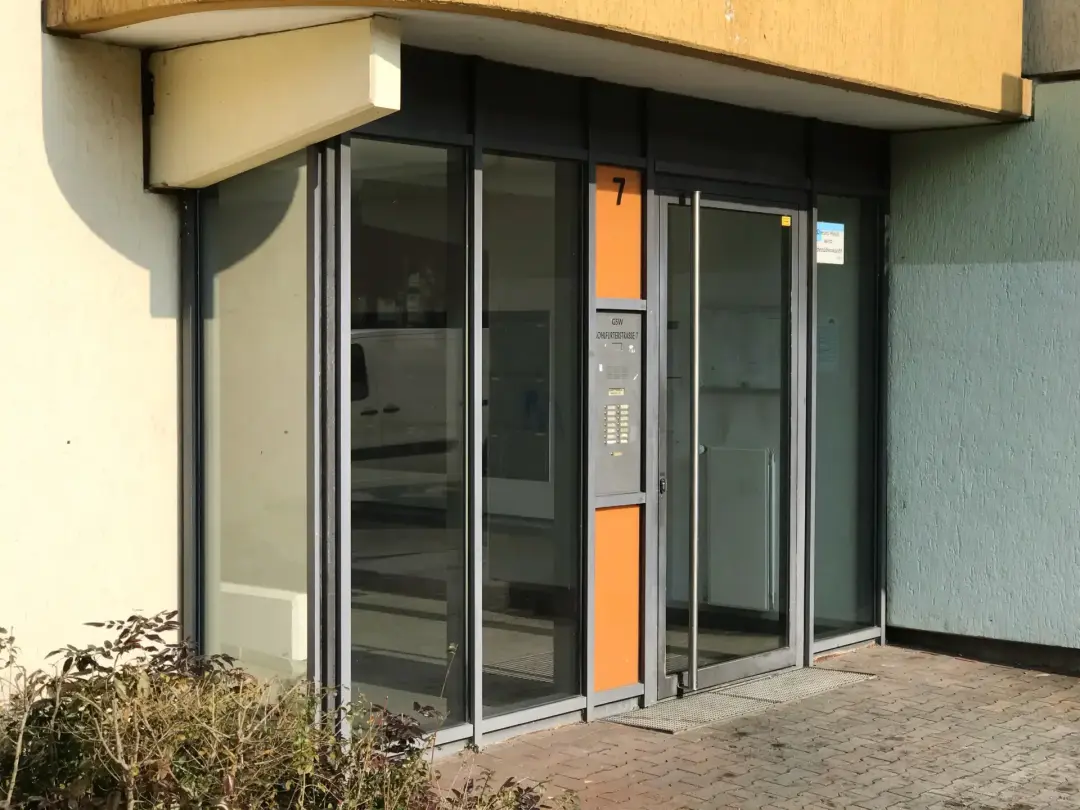
Replace the frontage when repairs cannot solve the underlying problem
When should you replace a shop front? Consider replacement when the frame, glazing and doorway need changing together, or the existing layout cannot accommodate the way the premises must work. A worn closer or faulty automatic door component does not, by itself, justify replacing the whole frontage. For a business in Bedworth, the first useful decision is whether the problem calls for a repair, a targeted alteration or a new aluminium shop front.
Split the assessment into 3 parts
Assess 3 parts separately: the fixed frame and glazing, the moving door, and any automatic operating equipment. This stops a fault in one component becoming an assumption that everything has reached the end of its life. Make a list of symptoms against each part before comparing quotations.
- Frame and glazing: note visible damage, water entry and any areas that need professional inspection.
- Door: record dragging, difficulty closing, damaged hardware or an opening that no longer suits customer and delivery access.
- Automation: describe unreliable activation, unexpected stops or operating faults, including when they occur.
Do not diagnose structural damage or continue operating equipment that appears unsafe. Those concerns need a competent assessment. The point of this list is to explain the problem clearly, not to decide from appearance whether a frame is sound or a particular motor has failed.
Identify what a repair would actually retain
A & T Doors Ltd offers automatic door repairs, with components including sensors, motors and control panels. Its shop front services also include aluminium shop front repairs and door closer work. These are reasons to ask about a defined repair before accepting a quotation for an entirely new frontage.
Ask the quotation to identify the component being repaired or replaced, what will remain, and what checks follow the work. If the entrance has already had repeated call-outs, provide the previous reports. A repeated symptom does not prove that the same part keeps failing; the engineer needs the history to establish whether the underlying cause has been addressed.
A repair is most useful when it restores an entrance that otherwise meets the business's needs. It will not move a doorway, create space for a queue or change the size of an opening. Those are layout questions, which need to be considered separately from the cost of restoring normal operation.
Consider door automation before replacing fixed glazing
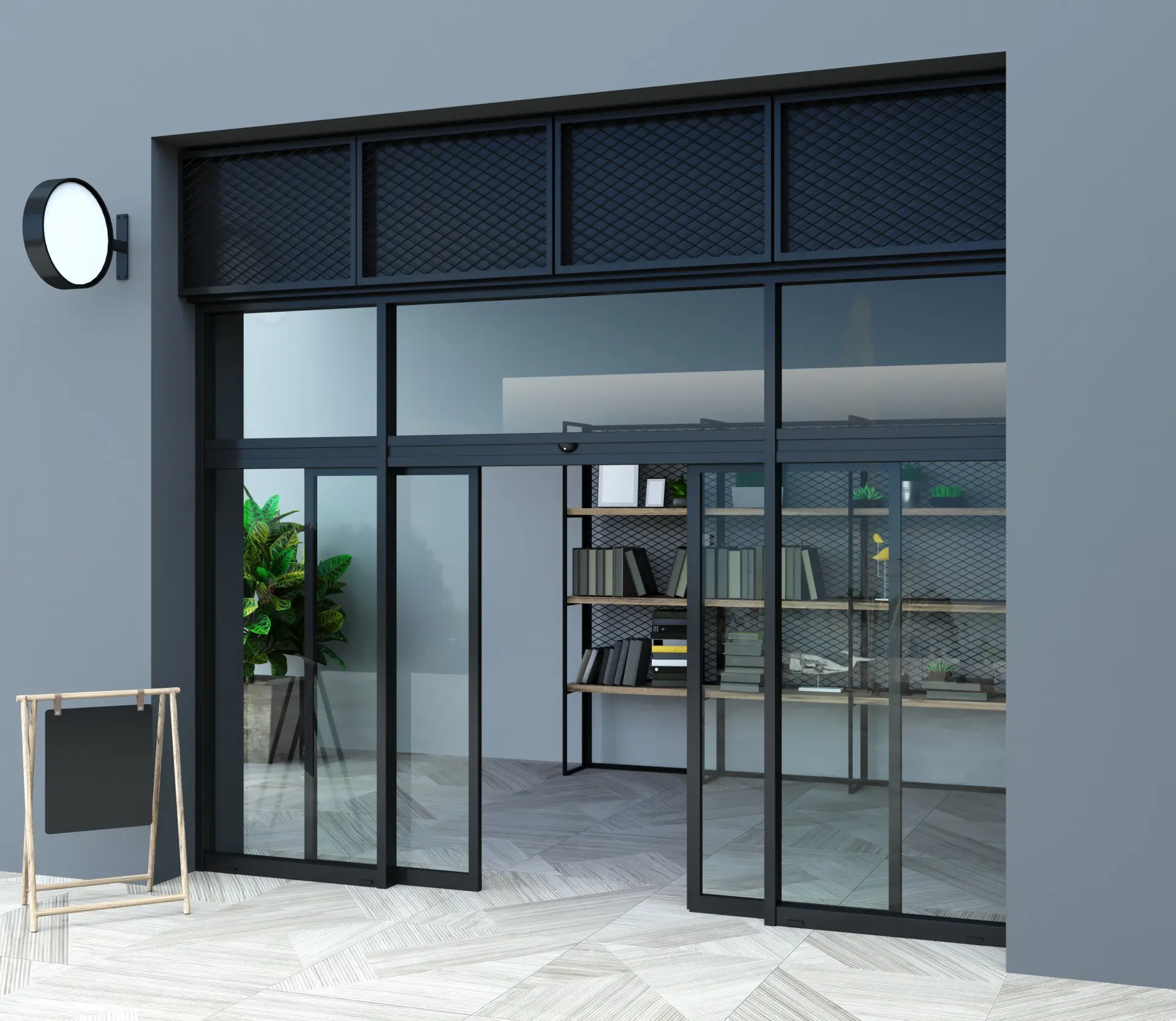
A change from manual to automatic entry may be possible without replacing the complete shop front. The company offers automation to existing doors as well as new automatic swing and sliding installations. Ask whether the existing door and frame are suitable for conversion, and what alterations would be needed for the operator, controls and associated equipment.
Sliding and swing arrangements use space differently. A sliding layout needs somewhere for its moving panels to travel; a swing layout needs a suitable opening path. For a premises in Bedworth, bring a plan showing the pavement edge, internal displays and delivery route so these constraints can be discussed alongside the frontage itself.
Do not specify a conversion solely because it appears cheaper than replacement. Ask for its limitations in writing, including anything about the existing opening that will remain unchanged. An adapted door is only a useful investment if it addresses the access problem you are trying to solve.
Recognise when a complete shop front becomes the better brief
A wider project makes sense to investigate when you need to reposition the entrance, alter the balance of doors and fixed glazing, or replace several interconnected elements. A & T Doors Ltd designs, supplies and installs aluminium shop fronts, allowing the frame layout and door arrangement to be considered as one project rather than as unrelated purchases.
Write down the required outcome before choosing a finish. A new counter position might require a clearer arrival route; a different delivery operation might require a reassessment of the usable opening. Neither automatically proves that full replacement is necessary, but each gives the survey a concrete question to answer. Our explanation of what a shop front needs to achieve helps keep visibility, identity and access in that brief.
Compare quotations on the same scope
Put repair, adaptation and replacement proposals side by side. A quotation for a door operator alone cannot be compared directly with one covering a new frame, glazing, removal and making good. Ask each contractor to identify what is included, excluded and dependent on the site assessment.
- Existing items retained and new frame, door or glazing elements supplied.
- Removal and disposal of the old components, with any surrounding making good identified.
- Electrical work, controls and commissioning included in an automatic door proposal.
- Temporary protection, access arrangements and responsibility for securing the premises during the works.
- Handover information, warranty terms and the proposed maintenance arrangements.
No single replacement price or installation duration fits all these scopes. Request a written sequence with a survey date, specification approval, manufacturing lead time and installation window. Ask which dates are firm and which depend on measurements, approvals or material availability. This is more useful than treating an unqualified headline price as the cost of a finished entrance.
Plan the changeover around trading
Record opening hours, delivery slots and any alternative customer entrance before agreeing the installation window. Ask who will manage temporary barriers and how staff will know which route is available. Do not assume that customers can continue using the working area while the old frontage is removed.
Before ordering, establish who can authorise changes to the building and have any required landlord or other approvals checked. Keep the approved drawing, final scope and access plan together. At handover, ask for the operating instructions, maintenance information and an explanation of the controls fitted, so staff are not left guessing how the new entrance should be used.
If you are weighing repair against replacement, send A & T Doors Ltd photographs, previous repair reports and the change the entrance needs, so the existing door can be considered alongside any aluminium shop front work before you commit to a complete replacement.