Automatic door sensors help an entrance respond to people approaching. Different types detect movement, presence or pressure, each suited to a setting. This guide explains how they work and where they are used.
Radar Movement Sensors
Radar movement sensors use microwave radar technology to detect movement towards an automatic door. Their range can be adjusted for the entrance. Because they respond to moving targets, a presence or safety sensor may be needed when a person stops in the doorway.
Pressure Sensors
Pressure sensors detect weight applied to a floor mat or plate. When someone steps on it, the sensor sends a signal to the door operator to start opening. The mat must be positioned and maintained so it remains safe daily.
Optical Sensors or Motion Detectors
Optical motion sensors detect movement in a defined area near an automatic door. Usually mounted above the opening, these motion detectors can trigger an automatic door system as a person approaches. Settings help avoid unnecessary activation from movement beyond the intended path.
Passive Infrared Movement Sensors
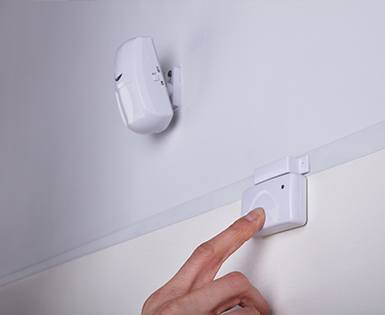
Passive infrared movement sensors, called PIR sensors, detect changes in heat within their field of view. They do not store an image of the surroundings. A moving person can trigger activation, while a stationary person may require additional presence detection for safe operation.
Active Infrared Sensors
Active infrared sensors transmit light and measure its reflection from a person or object. They can detect presence across an opening and help prevent closing on an obstruction. Correct alignment supports reliable operation.

How do Automatic Doors Work?
Automatic doors work when an activation device detects an approaching person and sends a signal to the door operator. The controller then powers the motor to begin opening. Safety sensors monitor the doorway during movement and can hold the door open or reverse it if they detect an object.
The entire system includes sensors, a controller, a motor and moving door components. An automatic door may use motion sensors for activation and infrared sensing for presence. When the monitored space is clear, the controller permits closing after its set time; detection can interrupt that cycle.
Automatic door systems can be adjusted for traffic flow and energy efficiency. Suitable settings determine how long doors remain open and how far they travel. Some installations provide a supervised hold-open mode, while access controls or switches may change operation when required.
How do the Sensors in Automatic Doors Work?
Sensors used in automatic doors have different jobs. Movement sensors detect someone approaching; pressure sensors respond when weight is applied to a plate; infrared sensors detect reflected light or changing heat. Understanding the difference helps match activation and safety devices to the door, its users and its surroundings. This distinction matters when choosing devices for busy entrances.
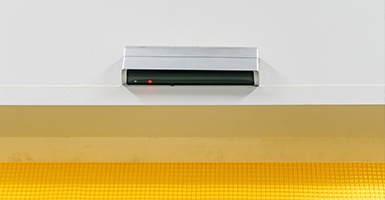
Motion sensors are commonly mounted above an automatic door entrance, where they detect people approaching. Pressure mats are installed on the floor when that form of activation is suitable. In either case, detection settings need to cover the intended access path without reacting to unrelated movement.
Sliding doors create clear space at busy entrances, but their safety depends on detecting people near the moving panels. Swing doors need sensing across their travel area too. The motor and controls must respond to a person or object blocking the opening.
Why are Sensors used in Automatic Doors?
Sensors used in automatic doors enable hands-free entry without pushing a door or making physical contact with a button. That convenience supports accessibility for people with limited mobility or anyone carrying items, and can help infection control in hospitals and other busy buildings.
Automatic door sensors detect motion, pressure or presence without staff monitoring every entrance. Their benefits include easier access and smoother traffic flow. However, a suitable installation and preventive maintenance are essential to keep detection accurate and the door operating safely over time. Routine tests can reveal faults before everyday use is disrupted.
The right sensor depends on the door type, the building and how people use the space. Discreet devices can suit shops, offices and leisure facilities. A site survey should confirm the sensing range, mounting position and safety needs before anyone chooses a solution.
What is the Installation Process for Sensors in Automatic Doors?
Installation starts with an assessment of the entrance and the automatic door system. Movement sensors are usually fitted above the door to detect approaching users. The installer then adjusts their range and tests activation from each direction in which people are expected to enter.
Where pressure sensors are used, their plates or mats must detect the intended weight without creating a trip hazard. They should be fitted securely and tested for people moving through the doorway.
Infrared sensors are mounted where their sensing field covers the required opening or hazard zone. Their view can be affected by dirt or reflective surfaces, so installation includes alignment and testing in the detection area.
Professional installation matters because automatic door sensors and the motor must work together. The installer should test opening, presence detection and closing, then explain maintenance. If the door fails, stop using it and arrange a competent inspection.
Why are Automatic Doors used?
Automatic doors offer practical benefits in a wide range of buildings. Their sensors can make entry more accessible, help manage traffic and reduce unnecessary opening. The most useful advantages depend on the entrance and the people who use it.
Security: An automatic door can support security when its sensor activation is paired with suitable access controls. Detection alone does not decide who is allowed into a building.
Accessibility: Automatic door technology gives people with limited mobility easier access. They can pass through the entrance without pushing a heavy door, improving everyday accessibility and convenience.
Control: Settings control how the automatic door responds to a signal, how long it will remain open and when closing begins. These should match the expected users.
Weather Conditions: A sensor-operated door opens only when needed, which can limit heat loss and support energy efficiency. Rain and wind still affect performance, so the settings should suit the entrance.
Professionalism: An automatic door can provide a welcoming, efficient entrance to offices, shops or government offices while allowing people to move through without touching a handle.
Are Automatic Doors Safe?
Automatic doors need suitable safety features. A competent installer should check the opening, moving panels and sensor coverage against the applicable requirements before the door is put into use.
Regular maintenance helps keep sensors, the motor and other parts working as designed. Testing should confirm that the door detects people and responds safely during opening and closing.
Glass doors should be clearly visible to users. Safety sensors must detect a person in the doorway, but clear markings also help prevent someone walking into a closed panel.
Swing doors and revolving doors present different movement paths from sliding doors. Each type needs safety devices suited to its operation, with checks for obstacles and safe passage.

Frequently asked questions
Practical answers about automatic door sensing and safe operation.
Activation devices tell the door operator that someone is approaching. Motion sensors may use microwave radar technology, while passive infrared movement sensors respond to changes in heat. Safety sensors monitor a person or object in the doorway or the door's travel path. The two functions work together: one starts opening, and the other helps ensure safe closing. Automatic door systems use both functions when the entrance requires them.
A movement sensor may no longer detect a person who stands still. Presence sensors, often using active infrared technology, are used to monitor the opening after activation. When the sensor detects an obstruction, it sends a signal that can keep the door open or stop closing. The installer must test the complete system rather than assume one device covers every risk.
Pressure sensors are commonly associated with floor mats or plates at an entrance. They detect weight when a person or cart passes over them and can signal the motor to open the door. They may suit a particular automatic door application, but many modern installations use overhead sensors instead. The choice depends on the site, expected users and the required detection area. The sensors used in automatic doors vary with the opening and expected traffic.
What happens after a power outage depends on the door design, backup power and its role in the building. Some systems provide manual operation or a specified emergency mode. Do not assume that every automatic door will open automatically or remain open. Ask the installer to explain the available controls and test the required response for that entrance.
Sliding doors can manage traffic flow at shops, airports and hospitals where people often pass with luggage or equipment. Swing doors may be suited to narrower spaces or an existing doorway, while revolving doors can manage a busy entrance in a different way. Industrial doors and specialist doors need sensors selected for their speed, size and surroundings.
Hands-free activation means people can enter without touching a handle or pushing a door. That can improve accessibility for people with limited mobility and make an entrance more convenient for someone carrying food or equipment. In hospitals, schools, hotels and leisure facilities, reduced physical contact may also support hygiene, though normal cleaning remains essential.
Preventive maintenance includes cleaning sensing surfaces, checking alignment, testing the detection zone and observing how the motor responds. Dirt, rain, changes in lighting or nearby moving objects may affect a sensor's accuracy. A competent service provider can adjust settings, check safety devices and record whether the door continues to operate reliably. If a sensor detects an unexpected change, a service visit can identify the cause.
Consider an upgrade when sensors miss approaching users, the door closes on an occupied opening, or traffic patterns change. Modern activation and presence technology may offer a more effective solution than repeated adjustment of unsuitable components. An assessment should measure the doorway, review how the system responds and identify the work required to maintain safe access. An automatic door system assessment also checks how the controller responds.
A & T Doors Ltd
At A & T Doors Ltd, our automatic door services include advice on suitable sensor options, installation and maintenance. We can assess how an existing system operates and discuss what changes may help the entrance work more reliably. We explain the checks, options and maintenance schedule in plain language before any installation is agreed.
If an automatic door is not detecting people consistently, or you are considering an upgrade, contact our team. We can discuss the door, its location and the problem you have noticed, then explain the next practical step. Details about when the fault occurs can help us prepare for a visit.